The Ottawa Student Transportation Authority has taken an unprecedented step by declaring new "community hazard zones" in downtown Ottawa, citing significant safety concerns for students walking near shelters and supervised consumption sites. This designation will extend school bus service to approximately 60 additional students across five elementary schools who previously had to navigate these areas on foot.
New Bus Service for Vulnerable Walking Routes
Effective March 9, students at Devonshire Community Public School, Cambridge Street Community Public School, York Street Public School, Viscount Alexander Public School, and St. Anthony Catholic School will become eligible for bus transportation if their designated walking routes pass through these newly identified hazard zones. The transportation authority, which manages bus services for Ottawa's English-language school boards, made this decision based on what it describes as "ongoing social and environmental concerns" that extend beyond traditional physical hazards.
Redefining Safety Beyond Physical Infrastructure
In a communication to parents and guardians, OSTA explained that while traditional hazard zones typically focus on physical infrastructure like busy intersections or railway crossings, the new community hazard zones acknowledge that student safety "also encompasses the social environment." The authority specifically cited proximity to shelters, drop-in centers serving individuals accessing emergency or transitional support services, supervised consumption sites, and addiction treatment centers as factors contributing to the designation.

The identified zones primarily concentrate in two downtown areas: the Chinatown neighborhood near Somerset Street West and Lowertown near the Rideau Street and King Edward Avenue corridor. Exact boundaries vary according to each school's designated walking zones, but all encompass areas where students would otherwise need to pass near facilities serving vulnerable populations.
Parental Frustration and Political Criticism
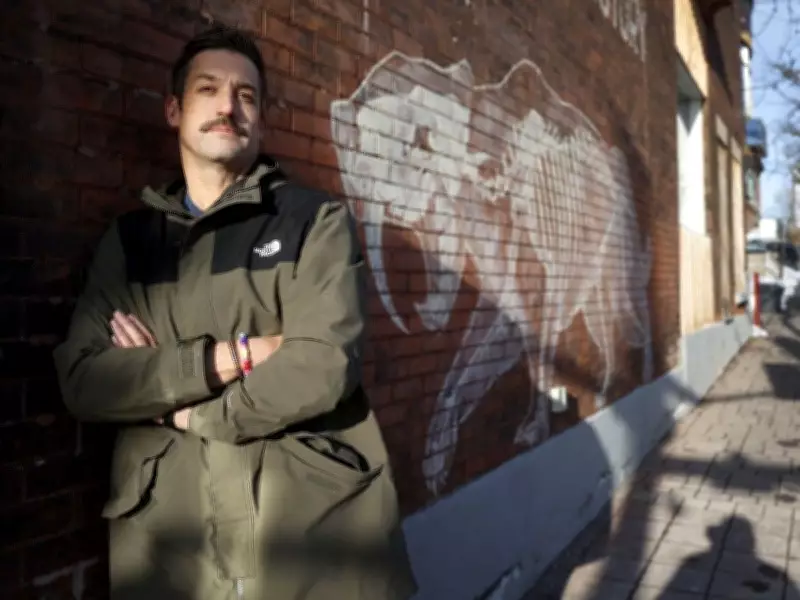
While the transportation authority presents this as a safety measure, some parents and local politicians have expressed frustration with the designation, arguing it fails to address the root causes of downtown safety concerns. Mike Chatham, parent of two children attending Devonshire Community Public School, called the community hazard zone designation "a formal, institutional acknowledgement that our neighborhood has been abandoned by the city and by the province."
"With this community hazard zone, they're basically saying, 'It is not safe to walk your kids to school,'" Chatham stated. "Instead of fixing the problem, they're going to bus them to school. It's basically saying they're not going to do anything."
Broader Implications for Urban Communities
The controversy highlights the complex intersection of education, urban planning, and social services in downtown Ottawa. By creating these community hazard zones, the transportation authority has formally recognized that social factors—including homelessness, addiction, and community safety—can create environments unsuitable for children walking to school. This represents a significant expansion of how educational institutions define and respond to student safety concerns.
The decision comes amid ongoing debates about how to address downtown social issues while ensuring safe access to education. Some critics argue that bussing students around problematic areas represents a temporary solution that fails to address the underlying community challenges. Others see it as a necessary, immediate response to protect vulnerable children from potentially unsafe environments during their daily commute to school.
As the March 9 implementation date approaches, the community continues to grapple with the implications of this designation, which brings into sharp focus the relationship between urban social services, public safety, and educational access in Canada's capital city.