Ontario Government Proposes Major School Board Reforms, Limits Trustee Powers
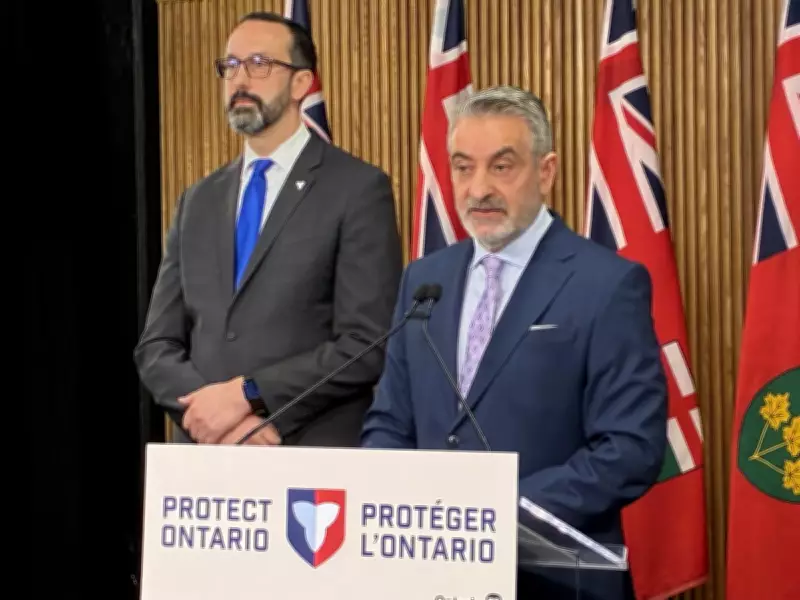
Education Minister Paul Calandra and Colleges and Universities Minister Nolan Quinn announced significant proposed changes to school board governance in Ontario on April 13, 2026. The reforms would substantially reduce the authority of elected school trustees while maintaining their positions, a move the government argues is necessary due to widespread financial mismanagement across the province.
Background of Financial Concerns
In background documents released alongside the announcement, the government highlighted numerous cases of what it called "wasted public funds" by school board trustees. One particularly notable example involved the Brant Haldimand Norfolk Catholic board, where trustees spent approximately $190,000 of school board funds on expenses related to a trip to Italy to purchase art.
Another case cited involved a Toronto Catholic board trustee who spent nearly $7,000 in public money on personal electronics, including an iPad, Air Pods, and Europe SIM cards. These examples, along with eight school boards currently under ministry supervision due to financial irregularities, have created what the government sees as a compelling case for reform.

Proposed Changes to Trustee Authority
"The role of a trustee is changing dramatically," Minister Calandra stated during the Queen's Park news conference. Under the proposed legislation, trustees would see their duties "vastly reduced" with several specific limitations:
- Trustee honorariums would be capped at specific levels
- Expense claims for personal electronics would be prohibited
- "Unnecessary" travel and hospitality expenses would no longer be reimbursable
- Legitimate expenses like mileage for board meetings would still be allowed, but with strict limitations
Structural Changes to School Board Governance
The proposed reforms go beyond expense controls to fundamentally alter how school boards operate. The current position of director of education would be replaced by a chief executive officer who would develop school board budgets with only advisory input from trustees.
If trustees disagree with the CEO's proposed budget, the matter would be escalated to the education minister for final decision. This represents a significant shift in authority from locally elected representatives to provincial government oversight.
Political Context and Public Perception
The government appears confident that these changes will have public support, drawing parallels to previous political spending controversies that captured public attention. Just as former Conservative MP Bev Oda became associated with a $16 glass of orange juice charged to taxpayers, stories of school trustees spending public funds on European travel and personal electronics create memorable examples of perceived misuse of resources.
With multiple school boards under ministry supervision and numerous documented cases of questionable spending, the government believes that "effectively cutting up their credit cards" represents a politically viable approach to addressing systemic issues in school board governance.
The proposed legislation represents one of the most significant overhauls of Ontario's education governance structure in recent years, potentially reshaping how local education decisions are made and how public education funds are managed across the province.