Bolivian Clowns Rally Against Education Decree That Could Crush Their Livelihoods
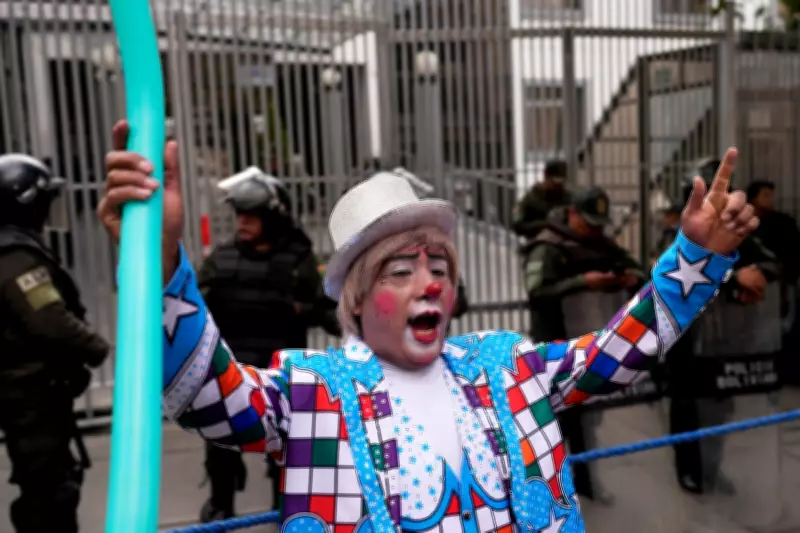
In a vibrant and unusual display of dissent, clowns have flooded the streets of La Paz, Bolivia, to protest a recent government decree that they fear could devastate their traditional livelihoods. The demonstration, which took place outside the Ministry of Education on Monday, March 30, 2026, saw performers in full costume shouting slogans and waving signs against the ban on holiday parties at schools during teaching hours.
Decree Sparks Outcry Among Performers
The controversial decree, issued by the Bolivian government, prohibits schools from hosting festive celebrations, including parties and events, within official instructional periods. For clowns, who have long been integral to such gatherings—especially during holidays and cultural festivals—this move represents a direct threat to their economic survival. Many rely on school engagements as a primary source of income, performing at children's parties and educational events that blend entertainment with learning.
Protesters argue that the ban not only undermines their financial stability but also erodes a cherished cultural tradition. Clowns in Bolivia are often seen as more than mere entertainers; they play a role in community bonding and childhood development, using humor and performance to engage young minds. The decree, they claim, fails to recognize this cultural significance and could lead to the loss of a unique artistic heritage.

Broader Implications for Cultural and Economic Sectors
Beyond the immediate impact on clowns, the protest highlights broader concerns about government policies affecting small-scale performers and the arts sector in Bolivia. Many fear that such regulations could set a precedent for further restrictions on cultural expressions in educational settings, potentially stifling creativity and limiting opportunities for artists who depend on institutional support.
The demonstration in La Paz drew attention from local media and passersby, with clowns using their characteristic humor and theatrics to convey a serious message. Some held placards reading "Save Our Smiles" and "Education Needs Joy," emphasizing the role of entertainment in fostering a positive learning environment. The protest remained peaceful, but participants vowed to continue their campaign until the government revisits the decree.
Government Response and Future Outlook
As of now, the Bolivian Ministry of Education has not issued an official response to the protest, leaving clowns and their supporters in a state of uncertainty. However, the outcry has sparked a public debate about the balance between academic rigor and cultural enrichment in schools. Advocates for the clowns are calling for a compromise, such as allowing holiday events outside core teaching hours or integrating performance arts into the curriculum.
This incident underscores the challenges faced by traditional performers in a rapidly changing world, where policy shifts can have unintended consequences on livelihoods. The clowns' protest serves as a reminder of the importance of preserving cultural practices while adapting to modern educational standards.