UCP's Bill 25 Sparks Debate Over Democratic Discourse in Alberta Classrooms
Alberta's United Conservative Party has introduced legislation that critics argue represents an anti-democratic attempt to control public discourse within educational settings. Bill 25, officially titled "An Act to Remove Politics and Ideology from Classrooms and Amend the Education Act," has ignited significant controversy among educators and political observers.
The Controversial Legislation
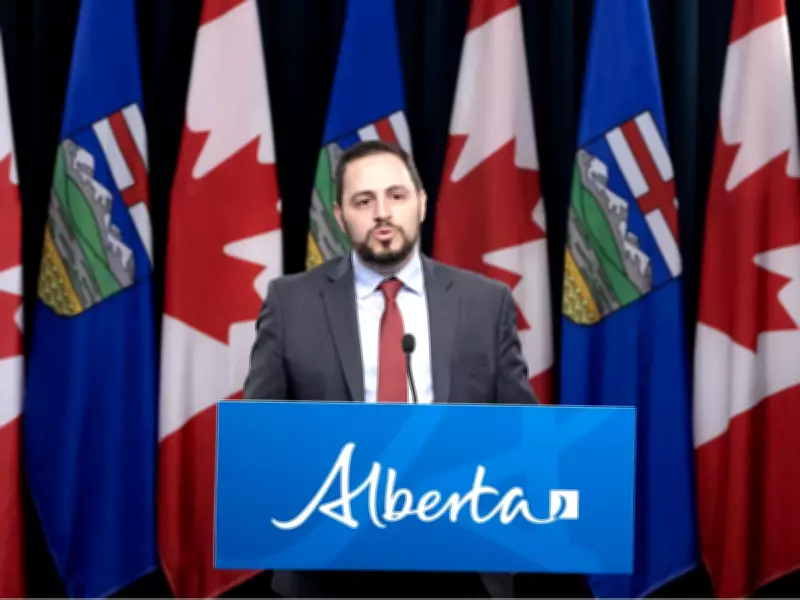
Education Minister Demetrios Nicolaides presented the legislation during a press conference at the Alberta Legislature in Edmonton on March 31, 2026. The bill proposes significant restrictions on classroom discussions, particularly those touching on social or political matters outside the established curriculum. According to the minister's statements, school authorities must ensure "neutral and impartial" learning environments while upholding students' ability to express perspectives.
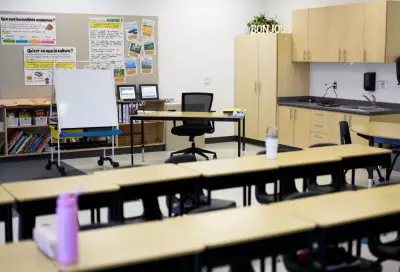
However, educators have raised serious concerns about the practical implications of this legislation. Social studies teachers in particular question how they can effectively teach their Grade 12 curriculum, which specifically focuses on ideologies as a major theme, if political discussions become restricted. The contradiction between curriculum requirements and legislative restrictions creates what many describe as an impossible teaching environment.

Democratic Principles Under Scrutiny
Critics point to what they see as a fundamental inconsistency in conservative governance principles. Traditionally, conservative ideology has emphasized limited government interference in citizens' lives and opposition to government overreach into civil society. Yet Bill 25 represents what opponents characterize as unprecedented government intervention into classroom discourse and educational practice.
"What ideology best describes the UCP and its governing style?" asks one prominent critic, highlighting what they see as a departure from traditional conservative principles. This question becomes particularly relevant given previous UCP interventions in areas such as healthcare relationships between patients and doctors, law society operations, and municipal affairs.
Educational Implications and Concerns
The legislation's requirement for teachers to present "both sides of the argument" has drawn particular criticism from educational professionals. Experienced educators note that most real-world political and social issues contain multiple perspectives and complex dimensions that cannot be reduced to simple binary oppositions.
Quality social studies education, according to pedagogical experts, involves helping students navigate this complexity through guided discussion and critical thinking. The Alberta Education Ministry's own rationale for secondary social studies emphasizes using curriculum ideas to understand pressing civic and social issues in real-world contexts.
Theoretical Foundations of Democratic Education
The debate touches on fundamental questions about the purpose of education in a democratic society. Political philosopher Hannah Arendt's concept of action provides a theoretical framework for understanding why classroom political discourse matters. Arendt argued that citizens form through interaction and conversation about pressing political questions—precisely the type of engagement that Bill 25 seeks to restrict.
This theoretical perspective raises important questions about where students will develop their political understanding and expression skills if not in classrooms with expert guidance. The legislation's opponents argue that democratic citizenship requires spaces where young people can engage with political ideas and learn to articulate their perspectives effectively.
Broader Implications for Democratic Discourse
The controversy extends beyond educational policy to fundamental questions about democratic discourse in Alberta. Critics argue that restricting political discussion in classrooms represents a broader attempt to control public discourse and limit democratic engagement. They contend that classrooms should serve as training grounds for democratic citizenship, where students learn to navigate complex political landscapes through reasoned discussion and critical analysis.

As the debate continues, educators, parents, and political observers will be watching closely to see how this legislation develops and what it might mean for democratic education in Alberta. The tension between government regulation of classroom content and the educational requirements for developing informed, engaged citizens remains at the heart of this ongoing controversy.