Alberta's Bill 25 Faces Intense Criticism Over Classroom Discussion Restrictions
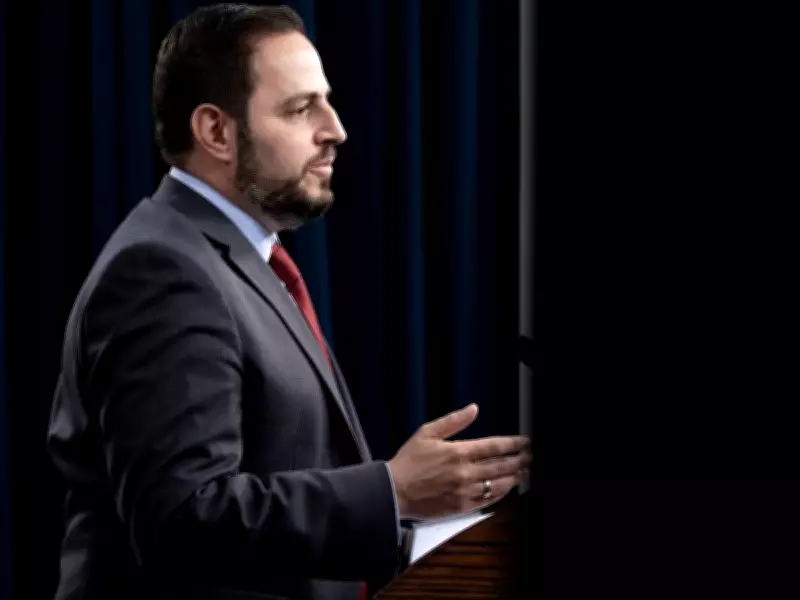
Education Minister Demetrios Nicolaides recently unveiled Bill 25, legislation designed to update Alberta's Education Act, during a press conference at the provincial legislature in Edmonton. The proposed changes have ignited a firestorm of controversy, with retired teachers, educators, and concerned citizens voicing strong opposition to what they perceive as an attack on academic freedom and critical thinking in classrooms across the province.
Educators Decry Suppression of Learning Opportunities
Gwen Potts, a retired teacher from Edmonton, expressed profound concern about the legislation's implications. "I built my entire career on the belief that far-ranging, rational discussion promotes thinking and learning," Potts stated. "Now Premier Danielle Smith's government, which has already reduced educational funding, overwhelmed teachers and teaching assistants, and engaged in book-banning, wants to prevent class discussion altogether."
Potts questioned how educators could effectively teach significant works of literature or historical events without discussing their underlying ideas and contexts. "Imagine teaching about the Second World War without discussing politics and ideology," she challenged. "Or teaching The Lord of the Flies, The Handmaid's Tale, or even Macbeth without exploring the books' central ideas."

Critical Thinking Development at Stake
The central concern raised by opponents focuses on how Bill 25 would impact students' ability to develop critical thinking skills. Linda Podlubny from St. Albert articulated this worry clearly: "The UCP wants to control and limit the content of discussions in classrooms among teachers and students. Without free discussion of past and current events, including 'social and political causes,' how can students learn critical thinking skills and develop their own informed opinions?"
Podlubny emphasized that having educated adults present helps students reach these essential educational goals, and Alberta needs more citizens with developed critical thinking abilities. "The fascist tactic being resorted to by the UCP is nothing short of appalling," she declared. "Is the UCP so afraid of what the younger generation might be thinking?"
Specific Restrictions and Government Response
Under the proposed legislation, students would be prohibited from discussing certain topics with their teachers and peers, including the possibility of Alberta separation. Education Minister Demetrios Nicolaides defended the legislation by stating, "There is an expectation that our classrooms are free from politics and ideology."
Critics have labeled this position as hypocritical. Podlubny responded: "The hypocrisy here is stunning. The UCP is imposing their politics and ideology all through Bill 25." She called for an election to let Albertans decide on this contentious issue.
Broader Democratic Concerns
The controversy extends beyond educational concerns to questions about democratic rights. Podlubny expressed dismay at what she perceives as the UCP government's erosion of democratic principles. "Canadians appreciate and respect their democratic country. At least I thought we did," she remarked. "It appears that the UCP government is more interested in reducing our democratic rights."
She cited multiple actions by the government that she believes undermine democratic processes:
- Sending striking teachers back to work
- Using the notwithstanding clause
- Dictating changes to the Education Act that forbid studying politics and ideology in classrooms
"Another blow is this UCP government further restricting what the future citizens of Alberta are able to learn in the exact places where they should be learning about the history and basis of politics and of ideology," Podlubny concluded.

Historical Perspective and Call to Action
Potts invoked philosopher George Santayana's famous warning that those who do not learn from history are doomed to repeat it. She called on fellow Albertans to take action against what she views as government-imposed ignorance and repression. "Fellow Albertans who do not wish to embrace not thinking, not learning, you who are not in favour of population ignorance and repression, let's drum this government out of here," she urged.
The debate over Bill 25 continues to intensify as educators, parents, and citizens grapple with fundamental questions about the purpose of education, the development of critical thinking skills, and the role of government in shaping classroom discourse. With strong opinions on both sides, this legislation promises to remain a contentious issue in Alberta's political and educational landscape for the foreseeable future.