Alberta Teachers' Association Loses Legal Challenge Against Back-to-Work Legislation
In a significant legal setback, the Alberta Teachers' Association (ATA) has failed to obtain a court injunction against a provincial back-to-work law that terminated a prolonged strike by educators. The ruling, delivered on March 13, 2026, underscores the ongoing tensions between the government and teachers over labor rights and working conditions.
Details of the Court Decision
The court denied the injunction request, effectively upholding the legislation that mandated teachers to return to their classrooms. This law was enacted by the Alberta government to end the strike, which had disrupted schools across the province since October 2025. ATA President Jason Schilling expressed disappointment, stating that the decision undermines collective bargaining efforts and could set a precedent for future labor disputes in the education sector.
Background of the Strike and Legislative Action
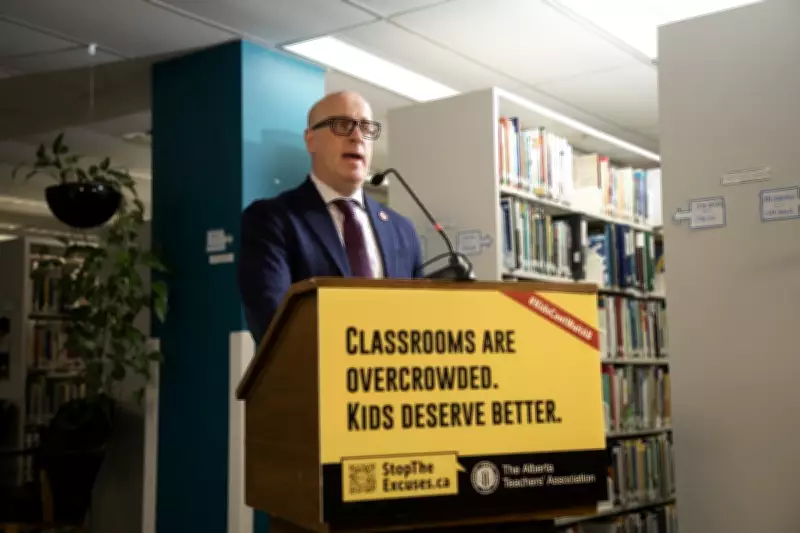
The teachers' strike, which began in early October 2025, was driven by demands for improved salaries, smaller class sizes, and enhanced support for students with special needs. After months of stalled negotiations, the government introduced the back-to-work bill, arguing it was necessary to ensure educational continuity and minimize disruptions for students and families. The ATA challenged the law in court, alleging it violated constitutional rights to strike and bargain collectively.

Implications for Education and Labor Relations
This ruling may have far-reaching consequences for labor relations in Alberta and beyond. Experts warn that it could embolden other governments to use similar legislation in disputes with public sector workers. Additionally, the failure to secure the injunction leaves teachers without immediate legal recourse, potentially fueling further unrest and calls for policy reforms. The ATA has indicated it may explore other legal avenues or public campaigns to advocate for teachers' rights.
Broader Context and Public Reaction
The case has sparked debate about the balance between government authority and workers' rights in Canada. Public opinion is divided, with some supporting the government's move to end the strike for the sake of students, while others criticize it as an overreach that weakens labor protections. As the situation evolves, stakeholders are closely monitoring potential impacts on teacher morale, educational quality, and future negotiations in the province.