The Haunting Reality of Netflix's 'Adolescence' and the Urgent Call to Decenter Men
Watching Netflix's "Adolescence" evokes a complex emotional response—simultaneously captivating and haunting, much like witnessing a natural disaster you cannot turn away from. This powerful series, released last year, has become a frequent topic in my conversations with friends, family, and anyone willing to listen. It vividly portrays the chilling effects of online manosphere communities, the cyclical repackaging of misogyny across generations, and the disturbing normalization of toxic masculinity by peers. These themes resonate deeply, striking chords with both the sex educator and feminist within me.
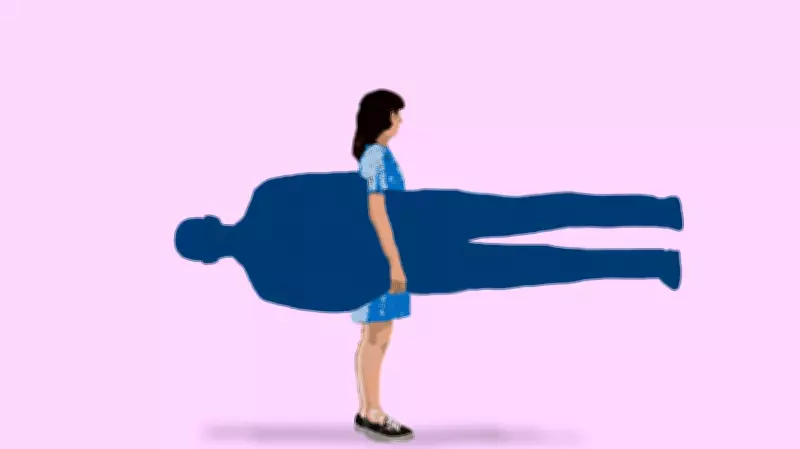
Observing how male influences shape the main character's actions prompted a profound question: What would our world look like if men actively participated in the movement to decenter themselves from societal focus? While this concept appears straightforward, it demands a rigorous examination of how heteropatriarchy infiltrates every aspect of our lives—our relationships, decision-making processes, and personal opinions—while skewing self-worth toward male comfort and validation.
The Rising Cultural Conversation Around Decentering Men
The term "decenter men," popularized by sociologist and author Sherese (Charlie) Taylor in her book "Decenter Men," has gained significant traction in cultural discourse over recent years. This surge coincides with growing interest in movements like 4B and the rise of conservatism, which has brought traditional gender roles, including the "tradwife" phenomenon, back into the spotlight. These contrasting trends are compelling women and nonbinary individuals to critically assess how prioritizing men diminishes their own existence and autonomy.

Historically, women and nonbinary people have spearheaded discussions on gender equality. We have long scrutinized the roles that straight cis men play in our lives, becoming increasingly aware of how our personal wants and needs are frequently sidelined. We openly question why romantic relationships with men are often valued above others, or why societal pressures insist we remain palatable to male desires.
Why Men Must Join the Dialogue on Patriarchy
What could genuinely shift the tide is men actively entering this conversation. Although it may seem counterintuitive, dismantling the patriarchy ultimately benefits men as well. However, this process must begin with men acknowledging their central position in societal structures. As Manijeh Badiee, a queer psychologist based in California, explains, because men gain the most from patriarchal systems, they also bear responsibility for deconstructing them.
While male allyship is essential for the success of the decentering movement, it is not the sole reason for their involvement. When men reorient themselves away from the cultural center, they unlock opportunities for more fulfilling lives with broader possibilities. Ava Shakib, a California-based queer therapist, notes, "There's suddenly more ways to experience life." She emphasizes that patriarchy acts as a restrictive map for existence, not only harming women but also causing men to "experience the side effects of being closed off from living more freely and autonomously."
The Emotional and Psychological Benefits of Rejecting Patriarchal Norms
Shakib identifies anger as one of the few societally acceptable emotions for men to express. In a culture free from gendered constraints, individuals can recognize other emotions beneath their anger, such as guilt, betrayal, and annoyance. Badiee supports this view, citing research on men's gender role conflict, which shows that adherence to traditional masculinity norms leads to worse mental health outcomes, lower-quality relationships, and increased tendencies toward violence.
By abandoning patriarchal norms that discourage "feminine" emotions, men gain deeper access to their true selves and desires. This intentional emotional engagement could profoundly improve interpersonal relationships across society. Realistically, it might even prevent conflicts on larger scales, such as wars.

Practical Steps Toward a Decentered Society
Imagine more straight men embracing practices of connection and bonding that other identities routinely enjoy. In social settings, Shakib observes that "men can experience openness and connection when they engage in 'feminine' activities like gossip and feelings-sharing." Ironically, decentering oneself in society can foster greater connection with others, facilitate secure intimate bonds, and enhance feelings of being seen. While those of us who are not cis men can speculate about the potential benefits, implementing these changes feels nearly impossible without concerted effort. Therapy emerges as a wise initial step for many.
When men begin living a decentered life, the effects ripple outward. As Shakib remarks, "Other people in their life witness this expansiveness and are, in a way, given permission to live outside the box, too." This creates opportunities for all individuals to live authentically. In a world where men commit to stepping back from the center, greater safety emerges for everyone to construct individuality without external expectations and to allow others the same freedom.