







Daily ICE Patrols Create Climate of Fear at Minnesota Elementary School
In the quiet Minneapolis suburb of Columbia Heights, the hallways of Valley View Elementary School have fallen silent. Where once children bustled with excitement, now an eerie stillness prevails, punctuated only by the sound of unmarked vehicles circling the school grounds.
Agents Target School Zones During Critical Times
Immigration and Customs Enforcement agents have established a disturbing routine in this predominantly Latino community. Multiple times each day, particularly during morning drop-off and afternoon dismissal periods, federal agents drive slowly past the elementary school. They linger near bus stops, follow parents transporting children, and even position themselves behind the local high school to intercept students attempting alternative exits.
School staff, retired educators, parents, and grandparents have organized rotating shifts to monitor the streets. Armed with whistles, they stand ready to alert the community whenever suspicious vehicles approach while children are present outdoors. This vigilante protection has become a necessary response to what community members describe as systematic harassment.
Children Disappear From Classrooms
The human cost of these operations has become devastatingly clear. Five-year-old Liam Conejo Ramos, a preschool student at Valley View Elementary, now sits in a Texas detention center alongside his father. His empty desk serves as a painful reminder of his absence. Federal agents allegedly used the young boy as bait to detain his father, despite the man having legal status and no criminal record.
Ramos represents just one of six children from this school district recently taken into ICE custody. On a single Thursday, agents detained a second-grader and fifth-grader from the same school after arresting their mother following a court appointment regarding her asylum status. With no local family available to care for the children, school principal Jason Kuhlman faced the unimaginable task of delivering the boys to the detention center to remain with their mother.
"I'm bringing kids to jail, in my mind that's what I was wrestling with," Kuhlman confessed. "Something that I'm fighting so hard to not do, I ended up doing."
Educational Environment Transformed Into Zone of Fear
The psychological impact on students has been profound. Approximately twenty percent of district students have transitioned to virtual learning over the past month, according to Superintendent Zena Stendvik. Those who continue attending in-person classes navigate a transformed environment where rainbow-colored "TODOS SON BIENVENIDOS AQUI" ("All are welcome here") signs in classroom windows contrast sharply with official warnings on front doors prohibiting ICE agents from entering without judicial warrants.
Stendvik has adapted her own professional attire, exchanging high heels for boots that allow her to sprint to potential trouble spots. "I stay on the perimeter of our school and help direct students, either to go back into the building or, you know, just stay with me and watch for a second to make sure it's OK," she explained.
Educators Assume Unprecedented Roles
Teachers and school staff have expanded their responsibilities far beyond traditional educational duties. After completing instructional days, educators deliver food to families afraid to leave their homes, accompany students to bus stops, and raise funds to support immigrant families. Every school in the district has effectively become a food collection and distribution center.
Peg Nelson, a veteran teacher with thirty-three years in Columbia Heights public schools, revealed that even during these humanitarian missions, educators have been followed by ICE agents. "Staff are doing their best to hold it together, but every day we wonder, 'How long is this sustainable?'" she stated during a recent press conference.
Community Response and Broader Implications
Parents have developed elaborate safety rituals. Elizabeth, a South Minneapolis elementary school parent, described checking neighborhood surveillance feeds during breakfast, wearing whistles around her neck during school commutes, and operating an informal "car service" to transport other children whose parents are too frightened to leave their homes.
Principal Kuhlman worries that Minnesota represents merely the beginning of expanded ICE operations. "Pardon this analogy, because it's horrible, but it sure the hell fits — it feels like we're in a school shooting," he said. "We're not stopping it, we're just minimizing it."
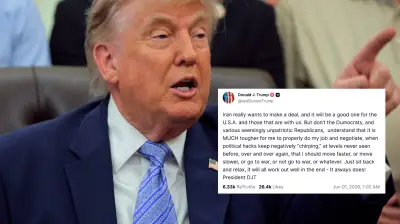
Despite presidential suggestions of de-escalation, community members report no reduction in ICE activity. The Trump administration describes these operations as targeting undocumented immigrants with criminal backgrounds, but local observations contradict this characterization, with agents allegedly detaining individuals regardless of citizenship status or criminal history.
The Columbia Heights community continues its vigil, hoping for intervention from political leaders while preparing for another week of uncertainty about which students might disappear next.