Ottawa School Bus Driver Dismissed Following Allegations of Abandoning Students
An Ottawa school bus driver has been terminated from their position after allegedly leaving students stranded, raising significant concerns about student safety and transportation protocols. The incident, which occurred recently, has prompted a review of operational procedures and the role of surveillance technology in ensuring compliance with safety standards.
Details of the Alleged Incident
According to reports, the driver is accused of failing to properly supervise and transport students, leaving them in a potentially unsafe situation. While specific details of the location and number of students involved have not been fully disclosed, the school district has confirmed the dismissal, emphasizing a zero-tolerance policy for such breaches of duty.
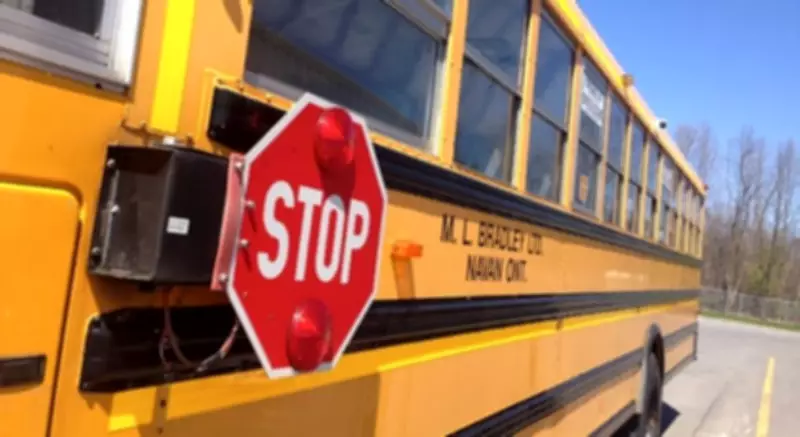
This case comes amid ongoing efforts to enhance safety measures on school buses across Canada. Many buses, including those operated by M.L. Bradley in the region, are now equipped with dual-camera systems designed to monitor driver behavior, particularly in relation to stopping procedures when lights are flashing. These technological safeguards aim to prevent lapses that could endanger children.

Broader Context and Safety Implications
The firing underscores the critical importance of reliable transportation for students, especially in urban areas like Ottawa where school bus services are integral to daily routines. Parents and educators alike rely on drivers to adhere strictly to safety protocols, and any deviation can undermine public confidence in the system.
In response to the incident, local authorities have reiterated their commitment to rigorous training and monitoring of bus drivers. Student safety remains the top priority, and any allegations of negligence are investigated promptly, with disciplinary actions taken as necessary to uphold standards.
This event also ties into wider discussions about transportation safety in Canada, as seen in other recent news items, such as charges laid in fatal crashes and reviews of transit policies. However, the focus here is squarely on the educational sector and the specific vulnerabilities of young passengers.
Technological and Policy Responses
The use of cameras on school buses, as highlighted in related coverage, serves as a deterrent and a tool for accountability. These systems can capture evidence of failures to stop properly or other unsafe practices, enabling swift corrective measures. In this case, such technology may have played a role in verifying the allegations against the driver.
Moving forward, school districts may consider enhancing these measures, including more frequent audits and increased driver training on emergency protocols. Ensuring that every child arrives safely at school is a non-negotiable aspect of educational infrastructure, and incidents like this one serve as a stark reminder of the ongoing need for vigilance.
As the community processes this news, the focus will likely shift to preventive strategies to avoid similar occurrences in the future, reinforcing the trust between families, schools, and transportation providers.