University of New Brunswick Research Team Achieves Breakthrough in Space Communication
A dedicated research team from the University of New Brunswick has successfully detected signals from the Artemis II mission, marking a significant milestone in space exploration and academic research. Led by Dr. Brent Peterson, the team's accomplishment underscores the university's growing role in advancing space technology and communication systems.
Details of the Signal Detection Achievement
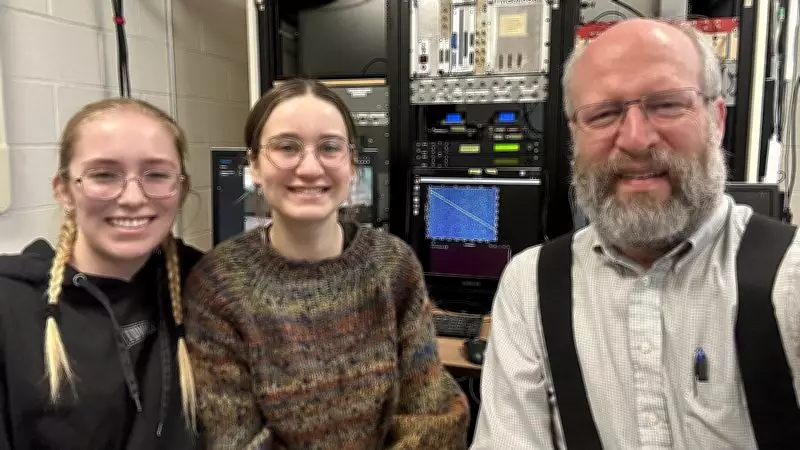
The detection of Artemis II signals represents a critical step forward in monitoring and understanding deep space missions. Dr. Peterson, pictured with two student researchers, emphasized the importance of this achievement for both educational and scientific communities. This breakthrough not only enhances our ability to track spacecraft but also provides invaluable data for future missions, he stated. The team utilized advanced equipment and innovative methodologies to capture and analyze the signals, demonstrating the university's commitment to cutting-edge research.
Implications for Space Exploration and Education
This discovery has far-reaching implications for the field of space exploration. By successfully detecting signals from Artemis II, the UNB team contributes to the global effort to ensure mission safety and success. Furthermore, this achievement highlights the vital role of academic institutions in fostering innovation and training the next generation of scientists. The involvement of student researchers in this project exemplifies hands-on learning and real-world application of theoretical knowledge.

As space agencies worldwide continue to push the boundaries of exploration, collaborations between universities and space programs become increasingly important. The UNB team's work sets a precedent for future academic contributions to space missions, potentially leading to more robust communication networks and enhanced data collection methods.