Kingsville to Host Groundbreaking Forensic Taphonomy Research Facility
A unique research facility dedicated to the study of human remains is being planned for Kingsville, Ontario, marking a significant advancement in forensic science within the region. The project is spearheaded by Shari Forbes, the chair of the University of Windsor's Forensic Science program, who brings extensive experience from similar facilities abroad.
Enhancing Forensic Science Capabilities
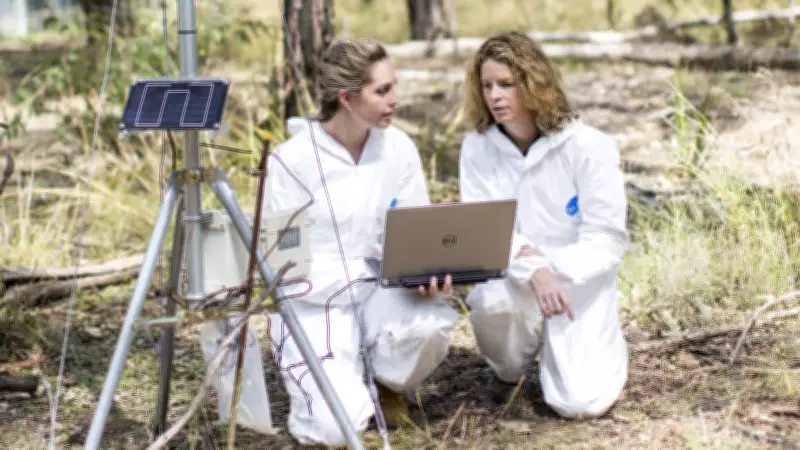
The new facility will focus on forensic taphonomy, which examines the processes that affect human remains after death, such as decomposition and environmental interactions. This research is crucial for improving forensic investigations, aiding in crime scene analysis, and advancing scientific understanding of postmortem changes. Forbes, pictured at a forensic taphonomy research facility in Australia, emphasizes the importance of such centers in training future forensic experts and supporting law enforcement agencies.
Benefits for Ontario and Beyond
The establishment of this facility in Kingsville is expected to:

- Boost local academic and research opportunities in forensic science.
- Attract students and professionals to the University of Windsor's programs.
- Provide valuable data for forensic cases across Canada and internationally.
- Foster collaborations with law enforcement and medical communities.
This initiative aligns with broader trends in scientific research and public safety, positioning Ontario as a leader in forensic innovation. The facility's development comes at a time when forensic techniques are increasingly vital for justice and healthcare systems.