Stephen Harper's Extensive Personal Archive Enters National Collection
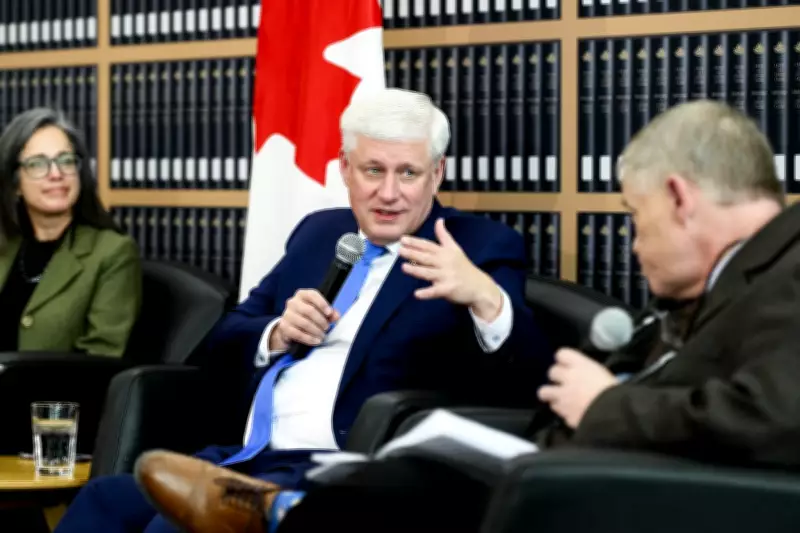
Former Prime Minister Stephen Harper has formally transferred a substantial and diverse personal archival collection to Library and Archives Canada, a donation that provides an unprecedented look into his life and political career. The collection, unveiled during a panel discussion at the institution's Ottawa headquarters on February 5, 2026, encompasses a staggering array of items that chronicle both public service and private moments.
A Million Images and Unique Personal Artifacts
The core of the donation consists of an estimated one million photographs, offering a visual narrative spanning decades. Alongside this vast photographic record are more intimate objects, including a personally significant quilt and a hockey card, items that reflect Harper's well-known interests beyond politics. This eclectic mix transforms the archive from a purely governmental record into a more holistic personal history.
Experts at Library and Archives Canada have hailed the donation as one of the most comprehensive ever received from a former prime minister. The materials are expected to undergo a meticulous cataloguing and preservation process before becoming accessible to researchers, historians, and the public. This will ensure the collection's longevity and utility for future generations seeking to understand this era of Canadian political history.

Preserving a Political Legacy for Future Study
The act of donating such an archive is a significant step in legacy-building, allowing Harper to shape how his tenure is remembered and studied. Archival collections like this one serve as primary source material that is indispensable for scholarly research and balanced historical analysis. They move beyond official documents to include the personal ephemera that often reveals deeper context about a leader's motivations and worldview.
Harper's participation in the panel discussion underscored the importance he places on this archival project. His decision to house the collection with the national institution, rather than a private archive or university, emphasizes its status as part of Canada's official historical record. This donation follows similar practices by other former leaders but is notable for its sheer volume and the inclusion of distinctive personal items.
The integration of this collection into the national archives will enrich Canada's historical resources, providing new avenues for academic inquiry and public engagement with the nation's recent political past.