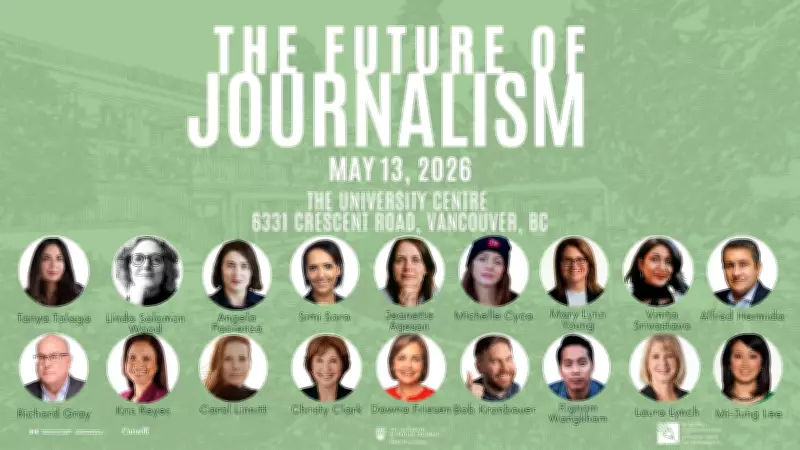
The Future of Journalism Summit Addresses Industry Crossroads
The Future of Journalism Summit, a major gathering of media professionals, academics, and policymakers, is set to explore the rapidly changing landscape of news media in 2026. This high-profile event comes at a critical juncture for the industry, as traditional business models face unprecedented challenges while new technologies and audience behaviors reshape how information is produced and consumed.
Digital Transformation and Economic Sustainability
Central to the summit discussions will be the economic sustainability of journalism in the digital age. With advertising revenues continuing to decline for many traditional outlets and subscription models showing mixed results across different markets, industry leaders are seeking innovative approaches to fund quality journalism. The summit will feature case studies from organizations that have successfully navigated this transition, along with research on emerging revenue streams that show promise for the coming decade.
Artificial intelligence's role in journalism represents another key theme, with sessions dedicated to how automated content generation, data analysis tools, and personalized news delivery are transforming newsrooms. While these technologies offer efficiency gains, they also raise important ethical questions about transparency, bias, and the preservation of human judgment in news reporting.
Combating Misinformation and Building Trust
In an era of widespread misinformation and declining public trust in media institutions, the summit will dedicate significant attention to verification techniques, fact-checking methodologies, and transparency practices. Experts will present research on how news organizations can rebuild credibility with skeptical audiences while maintaining editorial independence.
The changing relationship between journalists and their audiences will be examined through multiple panels, focusing on how news organizations are adapting to new consumption patterns, particularly among younger demographics who increasingly access news through social media platforms and alternative channels.Diversity, Representation and Global Perspectives
A substantial portion of the summit will address issues of diversity and representation within newsrooms and coverage. Sessions will explore how media organizations can better reflect the communities they serve, with particular attention to Indigenous perspectives, racial and ethnic diversity, and gender equity in leadership positions.
International correspondents and media analysts will provide global context, comparing challenges and innovations across different media ecosystems. This comparative approach aims to identify transferable strategies that could strengthen journalism in various political and economic contexts.
Looking Ahead: Journalism's Next Decade
The summit will conclude with forward-looking discussions about journalism's role in democratic societies over the next ten years. Participants will consider how news organizations can maintain their watchdog function while adapting to technological disruption, changing audience expectations, and evolving regulatory environments.
As the media landscape continues to fragment and transform, events like the Future of Journalism Summit provide crucial opportunities for collaboration, knowledge sharing, and strategic planning across the industry. The insights generated at this gathering are expected to influence media practices and policies throughout 2026 and beyond.