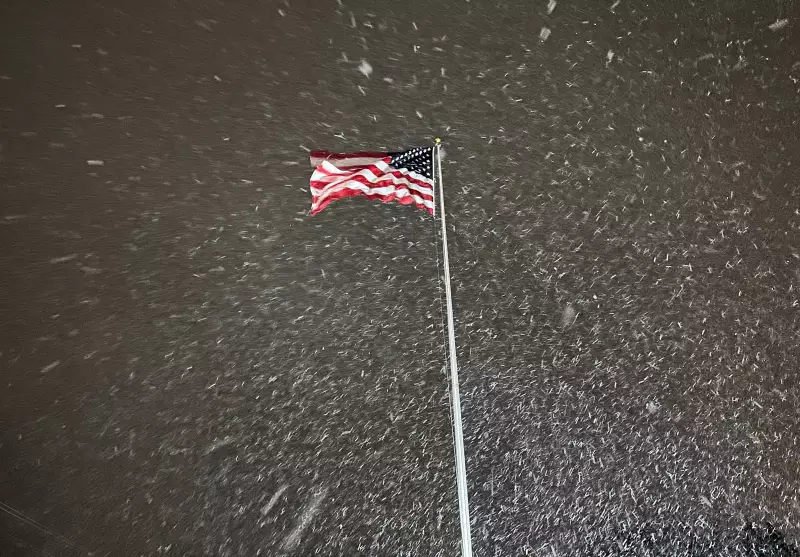
A major winter storm system moving across the eastern United States has triggered significant travel chaos, with airlines cancelling more than 1,000 flights as of December 26, 2025. The severe weather warnings have forced carriers to preemptively ground aircraft to ensure passenger and crew safety.
Widespread Disruption for Holiday Travelers
The cancellations come during a critical period for holiday travel, stranding thousands of passengers attempting to return home after Christmas celebrations. Major airline hubs in the Northeast and Midwest are among the hardest hit. Airlines are advising all passengers with travel plans in the affected regions to check their flight status directly with their carrier before heading to the airport.
This proactive cancellation strategy is a standard industry response to forecasted severe winter weather, which can include heavy snowfall, freezing rain, and high winds. These conditions make ground operations hazardous and can severely reduce visibility for pilots.

Passenger Rights and Rebooking Options
Travelers whose flights have been cancelled due to weather are entitled to specific accommodations, though these differ from cancellations caused by airline-controlled issues. Typically, airlines will rebook passengers on the next available flight to their destination at no additional charge.
However, they are generally not required to provide compensation like hotel vouchers for weather-related disruptions. Experts recommend that affected passengers act quickly by using airline mobile apps or websites to explore rebooking options, as phone wait times can be extremely long during mass cancellations.
Broader Weather Context and Regional Impact
The powerful storm affecting U.S. air travel is part of a broader pattern of severe winter weather across North America. Environment Canada has also issued various weather warnings for parts of the country, highlighting a continent-wide pattern of intense seasonal conditions.
While this particular news item focuses on U.S. airline disruptions, it serves as a crucial reminder for Canadian travelers about the potential for similar impacts on cross-border and international flights, especially those routed through affected U.S. hubs. Travelers are encouraged to monitor forecasts and stay in close contact with their airlines for the latest updates.