

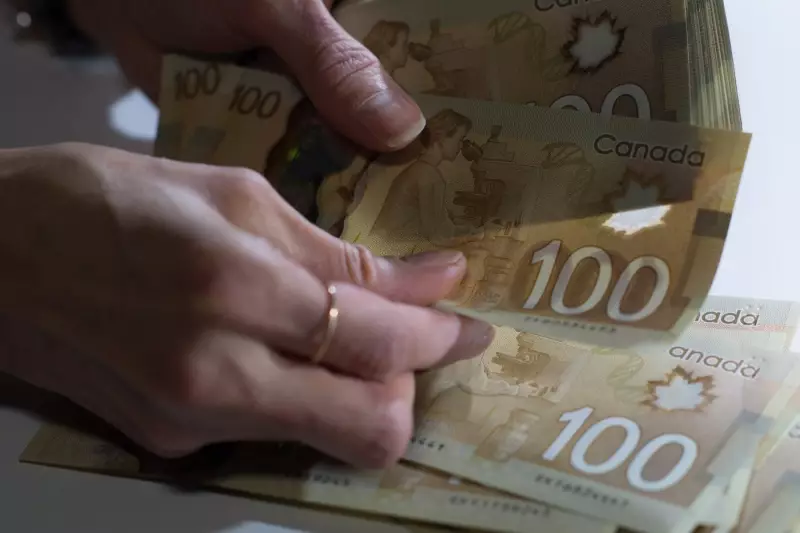
Canadian retail stores are grappling with a marked and concerning increase in the circulation of counterfeit banknotes, prompting heightened vigilance from businesses and law enforcement agencies nationwide.
A Growing Threat to Retailers
The issue has escalated to a point where it now represents a tangible financial risk for store owners and their employees. While the problem is national in scope, metropolitan areas with high-volume retail traffic are believed to be particularly vulnerable. The circulation of these fraudulent notes directly impacts a business's bottom line, as banks will not reimburse establishments that accept counterfeit currency.
This surge in fake bills is not limited to lower denominations. High-value notes, which can inflict more substantial losses per transaction, are also being targeted by counterfeiters. The sophistication of some forgeries has improved, making them more difficult to detect during fast-paced transactions, especially during peak shopping periods.

How to Identify Fake Currency
The Bank of Canada equips all genuine polymer notes with a suite of sophisticated security features designed for easy public verification. Employees handling cash are urged to make a habit of checking these features.
Key security features to examine include:
- The Large Transparent Window: A distinctive, clear area with complex metallic imagery and symbols that is extremely difficult to replicate accurately.
- The Raised Ink: Feel the large numeral, the portrait, and the words "Bank of Canada" for a distinctive textured, raised print.
- The Metallic Portrait: In the large transparent window, you will find a matching metallic portrait and building. Tilt the note to see the colour shift and fine details.
- The Hidden Numbers: Look for tiny numbers engraved in the large window that are visible only when held up to a light source.
Businesses are advised to invest in inexpensive counterfeit detection pens or ultraviolet lights, which can serve as an additional layer of security, particularly for verifying older paper series notes that may still be in circulation.
Steps to Take If You Receive a Counterfeit Bill
If a staff member suspects a banknote is fake, they should handle the situation with caution. The recommended procedure is to politely refuse the note, explaining that it appears to be suspect. If it is safe to do so, they should try to delay the person who presented it and contact local police immediately.
It is crucial not to put oneself at risk. If the individual becomes aggressive or leaves, retain the suspected bill with minimal handling, place it in an envelope, and note any relevant details about the person and the transaction. This information is vital for police investigations. Under no circumstances should you return the suspected counterfeit to the passer, as this allows it to continue circulating and victimize others.
The Royal Canadian Mounted Police (RCMP) and local police services work in collaboration with the Bank of Canada to investigate currency forgery. Reporting every incident, even if it seems minor, helps authorities track patterns and dismantle counterfeiting operations. The financial health of Canada's retail sector and public confidence in the national currency depend on this collective vigilance.






