

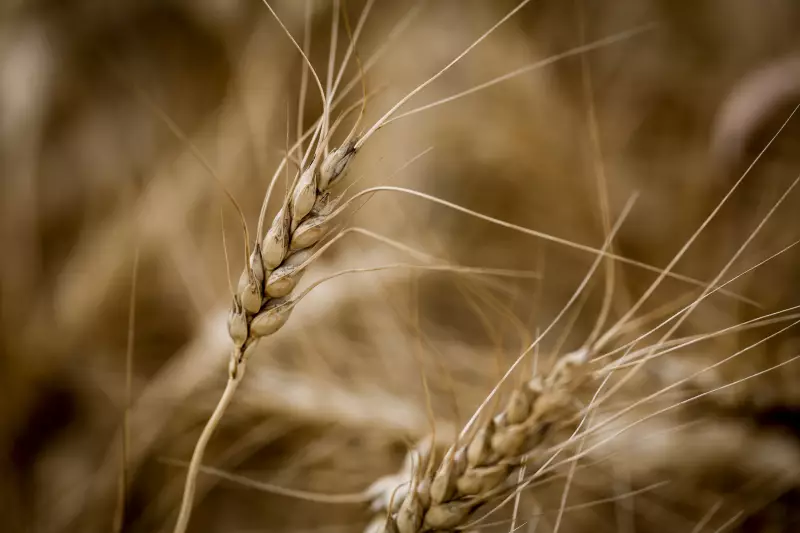
In the face of increasingly volatile weather patterns, Canadian farmers are demonstrating remarkable resilience, managing to produce record crop yields despite confronting severe droughts and devastating floods. This achievement underscores a significant shift towards advanced agricultural practices and technological adoption across the nation's farmlands.
Confronting the Elements with Innovation
The agricultural sector in Canada has been tested by extreme climate events in recent years. From parched fields in the Prairies to waterlogged lands in British Columbia, producers have had to adapt rapidly. The key to their success lies not in a single solution, but in a multifaceted approach combining time-tested methods with cutting-edge technology.
Precision agriculture has become a cornerstone of this adaptive strategy. Farmers are increasingly utilizing GPS-guided equipment, drone surveillance, and soil moisture sensors to make data-driven decisions. This allows for the precise application of water, fertilizers, and pesticides, maximizing efficiency and minimizing waste even when resources are scarce.

The Tools Driving Resilience
Beyond precision tools, genetic innovation plays a critical role. The adoption of drought-tolerant and flood-resistant seed varieties has provided a crucial buffer against unpredictable growing seasons. These advanced cultivars are developed to maintain yield stability under stress, a vital trait as weather extremes become more common.
Water management has also seen revolutionary changes. In drought-prone areas, many farms have invested in improved irrigation infrastructure, including drip and pivot systems that deliver water directly to plant roots with minimal evaporation. Conversely, in regions prone to excess moisture, enhanced drainage tile systems and contour farming help protect fields from flood damage and soil erosion.
Soil health is now recognized as a primary defense mechanism. Widespread adoption of no-till or reduced-till farming, cover cropping, and diverse crop rotations helps the land retain moisture during dry spells and improves infiltration during heavy rains. Healthier soil acts like a sponge, making farms more resilient to both ends of the weather spectrum.
A Model of Sustainable Adaptation
The ability of Canada's agricultural community to set production records under duress is more than a testament to hard work; it's a blueprint for sustainable food security in an era of climate uncertainty. This success is built on continuous learning, investment in innovation, and a deep understanding of local ecosystems.
Looking ahead, the integration of artificial intelligence for predictive analytics and the expansion of sustainable agriculture grants and support programs will be essential. The record crops harvested amidst adversity prove that with the right strategies, agriculture can not only survive but thrive, ensuring Canada remains a reliable global food supplier. The journey of these farmers offers crucial lessons in resilience for industries worldwide facing similar environmental challenges.






