Winnipeg to Consider Major Transit Route Overhaul in 2026 Proposal
The City of Winnipeg is poised to deliberate on substantial modifications to its public transit system, with a proposal for major route changes scheduled for review in early 2026. This initiative aims to enhance the efficiency and accessibility of Winnipeg Transit services across the metropolitan area.
Proposed Modifications and Objectives
According to sources, the proposed adjustments involve reconfiguring several key bus routes to better align with current population densities and commuting patterns. The changes are expected to address long-standing issues such as overcrowding on certain lines and underutilization on others, potentially leading to improved service frequency and reduced wait times for passengers.
The city council will examine the plan, which includes input from transit experts and public consultations conducted over the past year. Officials emphasize that the goal is to create a more responsive and sustainable transit network that meets the evolving needs of Winnipeg residents.

Context and Implementation Timeline
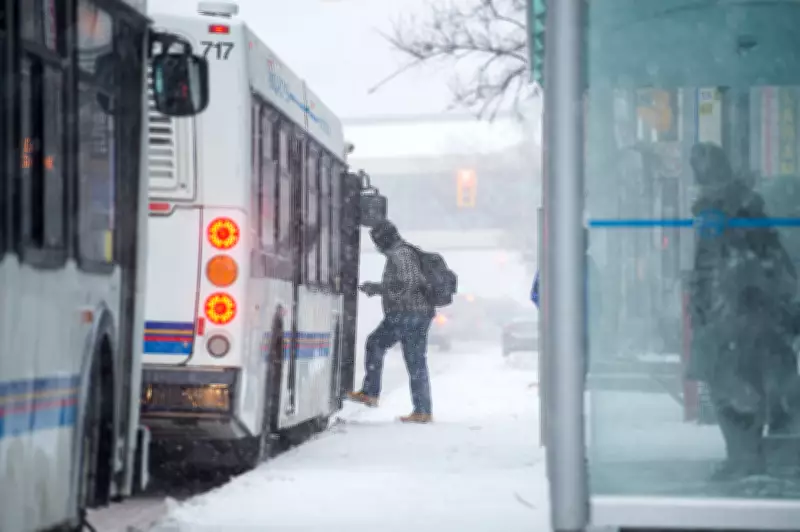
This move comes amid broader efforts to modernize urban infrastructure in Winnipeg, following challenges highlighted during events like the spring snowstorm of April 2022, which disrupted transit operations. The proposed changes are part of a multi-year strategy to boost ridership and reduce environmental impact by encouraging public transportation use.
If approved, the new routes could be implemented gradually, with a phased rollout starting in late 2026 or early 2027. The city plans to conduct further public engagement sessions to gather feedback before finalizing any decisions.
Potential Impacts and Community Response
Stakeholders, including daily commuters and transit advocates, have expressed cautious optimism about the proposal. While some welcome the prospect of a more efficient system, others have raised concerns about potential disruptions during the transition period.
The city has assured that it will provide detailed information on alternative routes and support services to minimize inconvenience. This initiative reflects a growing trend among Canadian municipalities to revitalize public transit as a cornerstone of urban development and climate action.