As the ongoing dispute surrounding the Gordie Howe International Bridge intensifies, a Windsor city councillor has publicly advised drivers to consider using the Windsor-Detroit Tunnel as an alternative border crossing. The recommendation comes amid heightened tensions and uncertainty regarding the bridge project's future.
Escalating Tensions Over Border Infrastructure
The Gordie Howe International Bridge, a major binational infrastructure project connecting Windsor, Ontario with Detroit, Michigan, has become the center of a heated dispute that shows no signs of resolution. With construction delays and political complications mounting, local officials are beginning to offer practical alternatives to concerned commuters and commercial drivers who rely on efficient border crossings for their daily operations.
Councillor's Practical Solution
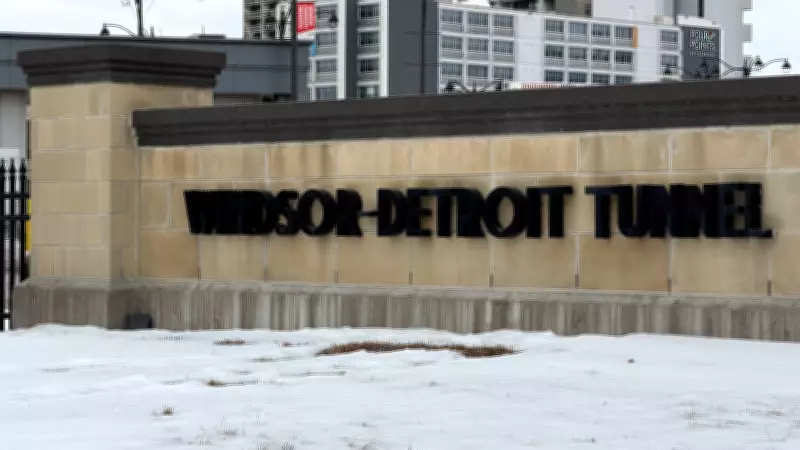
"In light of the current uncertainties surrounding the bridge project, I'm encouraging all drivers to remember that we have a perfectly functional alternative just minutes away," stated the Windsor councillor, who emphasized the tunnel's reliability and consistent service record. The Windsor-Detroit Tunnel has served as a vital transportation link between Canada and the United States for decades, offering a direct route beneath the Detroit River that many travelers have come to depend on.

The councillor's recommendation highlights growing frustration among local officials with the protracted dispute over the Gordie Howe Bridge. Originally conceived as a solution to border congestion and a boost to regional economic development, the bridge project has faced numerous obstacles including funding disagreements, regulatory hurdles, and political opposition from various stakeholders.
Historical Context and Current Challenges
The Windsor-Detroit border crossing represents one of North America's busiest international trade corridors, with billions of dollars in goods passing through annually. The Gordie Howe Bridge was intended to supplement existing infrastructure, including the Ambassador Bridge and the Windsor-Detroit Tunnel, by providing additional capacity and modern facilities. However, the current dispute has cast doubt on when—or if—the bridge will reach completion as originally envisioned.
Local business owners and transportation companies have expressed concern about the potential economic impact of continued delays. "Every day of uncertainty costs our region in both immediate transportation expenses and long-term economic development opportunities," explained one logistics manager who regularly coordinates cross-border shipments. "Having clear alternatives like the tunnel is essential for maintaining business continuity."
Looking Ahead
While the councillor's recommendation offers a temporary solution for individual drivers, larger questions remain about the future of cross-border infrastructure in the Windsor-Detroit corridor. The ongoing dispute over the Gordie Howe Bridge reflects broader challenges in binational infrastructure projects, where competing interests and regulatory frameworks can create significant implementation hurdles.
Transportation experts note that both the tunnel and bridge serve complementary but distinct functions in the regional transportation network. "The tunnel excels at handling passenger vehicles and lighter commercial traffic, while bridges typically accommodate heavier freight and provide different routing options," explained one infrastructure analyst. "A balanced approach utilizing multiple crossing points ultimately serves the region best."
As discussions continue regarding the Gordie Howe Bridge's future, local officials emphasize that maintaining all existing border crossing options remains a priority. The Windsor-Detroit Tunnel continues to operate at full capacity, with recent infrastructure investments ensuring its reliability for years to come. For now, drivers heeding the councillor's advice will find a proven alternative to navigate the ongoing uncertainty surrounding one of North America's most significant infrastructure projects.