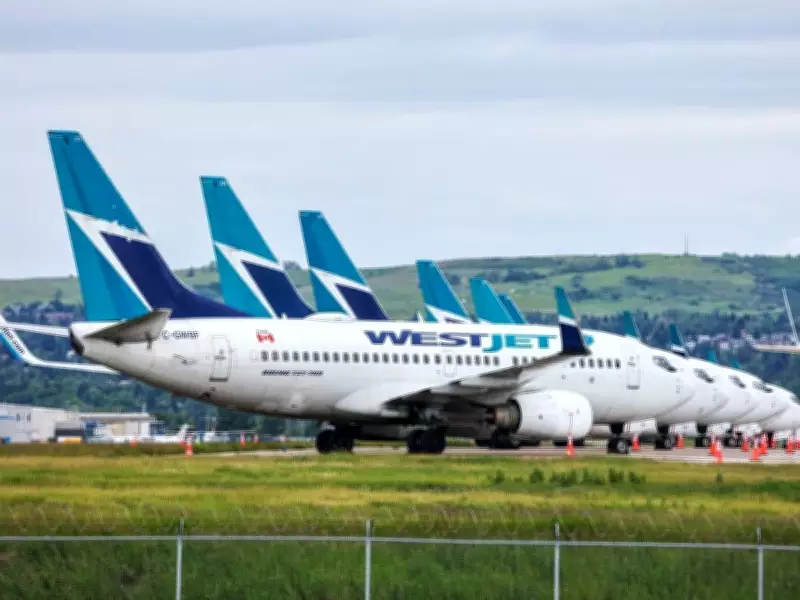
Calgary-based airline WestJet has announced significant operational changes in response to escalating fuel costs, implementing a temporary $60 surcharge on specific bookings and consolidating numerous flights across its network. The surcharge will apply to all bookings made with a companion voucher starting this Wednesday, as the carrier grapples with what it describes as "skyrocketing" fuel expenses.
Flight Reductions and Passenger Accommodations
In addition to the new fee, WestJet has combined flights on lower-demand routes, resulting in an approximate one percent reduction in total flights for April and a three percent cut for May. The airline stated that most affected customers have been provided with alternative accommodation options due to these consolidations. A spokesperson emphasized that while airfares typically offer pricing flexibility, companion vouchers lack this same adaptability, necessitating the surcharge as a temporary measure.
Fuel Costs: The Primary Driver
"Fuel is the largest contributor to airline operating costs, and a temporary surcharge helps us manage the recent surge in fuel prices," the WestJet representative explained via email. "We will continue to assess the surcharge and adjust as conditions allow." The airline's decision reflects broader industry challenges, with fuel prices experiencing dramatic increases in recent months.

Expert Analysis: A Survival Strategy
Wayne Smith, a hospitality and tourism professor at Toronto Metropolitan University, contextualized WestJet's moves within the wider Canadian aviation landscape. He noted that multiple airlines have been scrambling to cover costs since geopolitical tensions, including the war on Iran, created fuel shortages. "People don't realize how much fuel a plane takes," Smith remarked in a phone interview. "It's not like filling up your car. You're talking literally thousands of litres to fly somewhere."
Smith provided a concrete example: the fuel cost for a Boeing 787-9 flight from Vancouver to Hong Kong jumped from approximately $71,485 in late February to about $110,171 by mid-March—an increase of nearly $40,000 for a single flight. "As the price keeps going up, the airlines really don't have a choice," he asserted.
Broader Implications for Travelers
The professor warned that travelers should anticipate further adjustments across the industry. "More surcharges might be coming with other airlines," Smith predicted. He also noted that WestJet's flight consolidations will likely result in fuller planes, potentially affecting passenger comfort and availability. Reflecting on the airline industry's notorious financial volatility, Smith quipped, "There's an old joke in the airline industry that's like, 'How do you make a billionaire a millionaire? Buy an airline.'"
Smith characterized the surcharges and consolidations as "pure survival" measures in a challenging business environment. He suggested that additional fee increases, such as higher baggage charges, could follow as airlines continue to navigate the fuel price crisis. The situation underscores the delicate balance airlines must maintain between operational sustainability and customer satisfaction during periods of economic pressure.