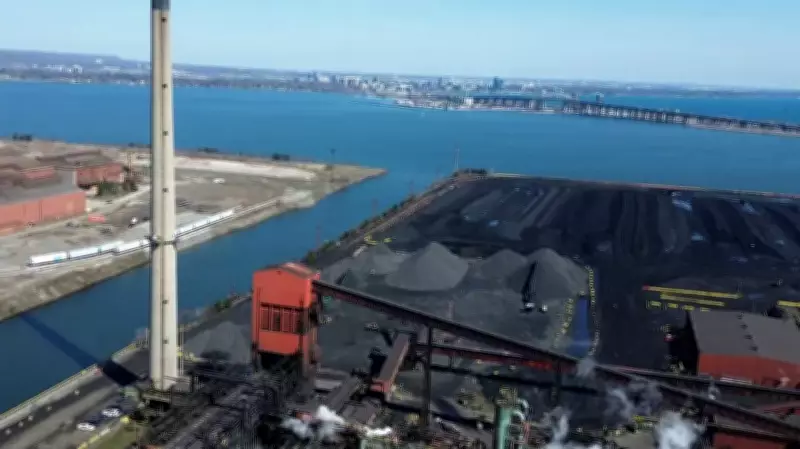
ArcelorMittal Dofasco Decommissions Historic Coke Plant in Hamilton
In a major industrial development, ArcelorMittal Dofasco has officially decommissioned its No. 3 coke plant located in Hamilton, Ontario. This move represents a pivotal shift for one of the region's longstanding manufacturing facilities, with implications for both the local economy and environmental landscape.
End of an Era for Hamilton's Industrial Core
The No. 3 coke plant, which has been a fixture in Hamilton for decades, played a crucial role in steel production by converting coal into coke, a key fuel and reducing agent. Its closure signals a transition in the city's industrial identity, historically rooted in heavy manufacturing and steelmaking. This decommissioning is part of broader trends in the industry toward modernization and reduced environmental impact.
While specific reasons for the shutdown were not detailed in the announcement, such moves often align with corporate strategies to streamline operations, adopt cleaner technologies, or respond to market demands. The plant's undated photo, released by ArcelorMittal Dofasco, serves as a visual reminder of its historical significance in Hamilton's skyline.

Environmental and Economic Implications
The decommissioning is expected to have notable effects on Hamilton's environment and economy. Coke plants are known for emitting pollutants, so this closure could contribute to improved air quality in the area, aligning with broader environmental goals. However, it also raises questions about job impacts and the future of industrial employment in the region.
Hamilton has been grappling with balancing industrial heritage with sustainable development, and this event underscores that challenge. Local authorities and community groups may monitor the site for potential redevelopment or cleanup efforts, ensuring it aligns with urban planning initiatives.
Broader Context and Community Response
This development occurs amid a backdrop of other news stories, but it stands out as a localized event with deep roots in Hamilton's history. Residents and stakeholders are likely to reflect on the plant's legacy, from its contributions to the local economy to its environmental footprint. The decommissioning marks a step toward potentially greener industrial practices, though it may also evoke nostalgia for Hamilton's manufacturing past.
As the city moves forward, this closure could spark discussions about:
- The future of remaining industrial operations in Hamilton
- Opportunities for site redevelopment and environmental remediation
- Strategies to support affected workers and communities
In summary, ArcelorMittal Dofasco's decision to decommission the No. 3 coke plant is a significant milestone for Hamilton, reflecting ongoing changes in the industrial sector and environmental priorities. It highlights the evolving nature of urban manufacturing and the complex interplay between economic activity and sustainability.