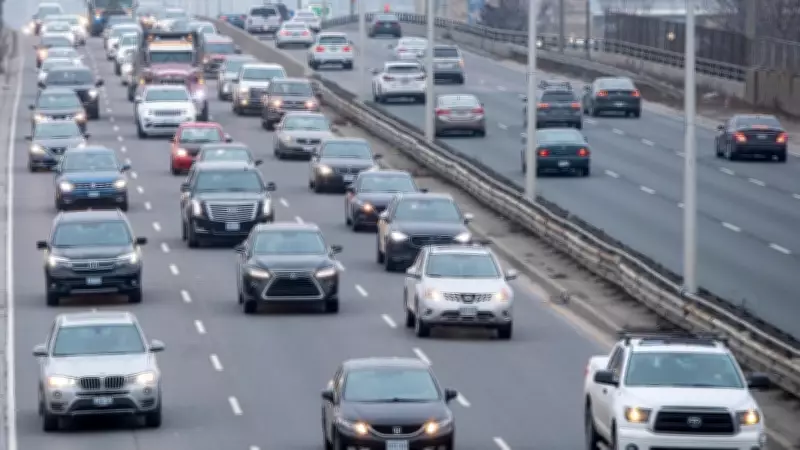
Toronto's Gridlock Crisis: New Report Proposes Five Key Solutions to Tackle Congestion
A comprehensive new report has been released, outlining five strategic ways Toronto could address its severe and persistent traffic congestion crisis. The document urges city officials and policymakers to "finish the job" on gridlock, emphasizing that innovative urban planning and targeted policy changes are essential for improving mobility in Canada's largest city.
The Five Proposed Solutions to Ease Traffic Woes
The report details a multi-faceted approach designed to tackle congestion from various angles. While the full specifics are contained within the document, the proposed solutions focus on integrating technology, infrastructure improvements, and behavioral incentives. The goal is to create a more efficient transportation network that reduces commute times, lowers emissions, and enhances the overall quality of life for residents and businesses alike.
Key areas of focus include optimizing traffic flow through smart technology, enhancing public transit reliability and capacity, and rethinking urban design to prioritize sustainable mobility options. The recommendations aim to move beyond temporary fixes and toward long-term, systemic changes that can adapt to the city's growing population and economic activity.

Addressing a Long-Standing Urban Challenge
Toronto's congestion problem is not new; it has been a growing concern for years, impacting economic productivity, environmental health, and daily commuter stress. The new report arrives at a critical time, as the city continues to expand and the need for effective transportation solutions becomes increasingly urgent.
The analysis likely considers data on peak traffic hours, accident hotspots, and public transit usage patterns to inform its proposals. By presenting a clear, actionable plan, the report seeks to galvanize public and political support for substantial investment and regulatory shifts in how Toronto manages its streets and transit systems.
Implementing these solutions would require coordinated effort across multiple levels of government and community stakeholders. Success depends on commitment to funding, public engagement, and a willingness to embrace new models of urban transportation that reduce reliance on single-occupancy vehicles.
The Path Forward for a Less Congested Future
Ultimately, the report serves as a roadmap for transforming Toronto's transportation landscape. It challenges the status quo and provides a framework for discussion and action. As the city looks to the future, addressing gridlock is paramount for sustaining growth, competitiveness, and livability.
The call to "finish the job" is a reminder that solving congestion is an ongoing process requiring persistence, innovation, and collective will. With these five proposed strategies, Toronto has a renewed opportunity to build a smoother, more connected, and less congested urban environment for all.