

Saskatchewan's Fiscal Woes: Beyond Spending Cuts to Growth Solutions
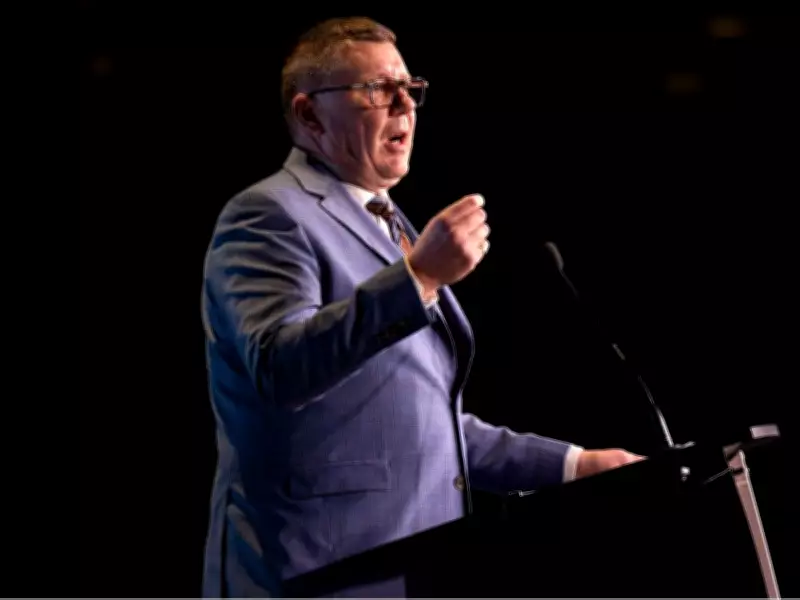
Ahead of the provincial budget, Saskatchewan Premier Scott Moe has indicated that Finance Minister Jim Reiter won't be wearing his black shoes, signaling a departure from austerity measures. Despite a promise for a balanced budget in 2025, Saskatchewan is projected to finish the year deep in the red, with deficits continuing into 2026.
Debt and Deficit Concerns
According to the mid-year report, Saskatchewan's total net debt has nearly tripled since fiscal 2007, increasing as a share of the economy by more than three per cent. The provincial opposition attributes these deficits to what they call "waste" and "mismanagement" by the Moe administration, arguing that cuts alone can rectify the fiscal situation and denying a "revenue problem."
On the surface, spending control is necessary. Expenses have far outpaced inflation and population growth. If Saskatchewan had limited expenses to these factors since 2018, the province would have an additional $1.6 billion in fiscal capacity this year.

Public Sector Expansion and Social Challenges
In 2025, public sector employment reached its highest share of total employment in at least 50 years, now constituting a larger proportion of Saskatchewan's economy than when parts of the oil and potash sectors were government-owned. However, this growth masks deeper issues.
Saskatchewan faces Canada's highest rates of child poverty and crime, with nearly a quarter of the province lacking access to a family doctor. Education funding is also strained, facing a nearly $500 million shortfall from 2013 levels. These are not issues we can cut our way out of.
Private Sector Stagnation
The rising share of the public sector in the economy is not due to excessive government employment growth but rather a lack of growth in the private sector. Since 2014, real private sector per capita GDP has fallen by nearly four per cent in Saskatchewan, compared to a one per cent increase nationally.
- Private sector employment grew nearly five times slower than the national average.
- Nationwide, 67 per cent of new jobs since 2014 were in the private sector, while in Saskatchewan, 72 per cent were in the public sector.
The reality is that Saskatchewan's economy is not growing fast enough to support stable funding for high-quality services. While cuts to certain spending areas are needed, the complete answer to fiscal decline lies in unleashing the province's potential for growth.
Tax System as a Barrier
The province's tax system is the biggest barrier to unlocking that potential. Saskatchewan directly taxes job creation and investment with its PST on business inputs, machinery and equipment, building materials, and construction labour—capital costs that few other provinces tax. This stifles private sector development and hampers economic recovery.






