Crypto Industry's Heavy Spending Fails to Defeat Rep. Al Green in Democratic Primary
Representative Al Green, a Democrat from Texas, has emerged victorious in his recent Democratic primary despite facing a massive financial onslaught from the cryptocurrency industry. More than $1 million was spent against him in an attempt to influence the election outcome. In a speech on the House floor, Green expressed a sense of liberation and openly questioned the motives behind such substantial expenditures. "Why is the crypto industry spending mega millions of dollars to control Congress?" he asked, highlighting the growing tension between lawmakers and the digital asset sector.
Democratic Backlash Builds Against Crypto Influence
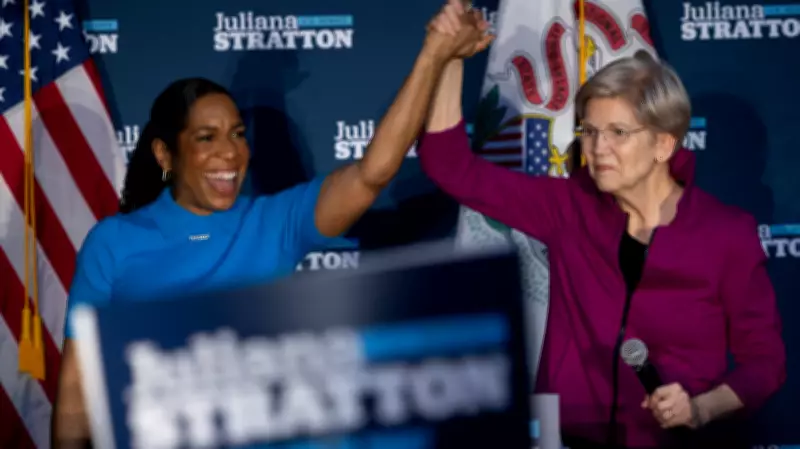
Since the 2024 election, many Democrats have been cautious about confronting the cryptocurrency industry, especially after it targeted figures like former Representative Katie Porter and Senator Sherrod Brown with costly ad campaigns. However, recent primary contests suggest a potential shift. Green managed to advance to a runoff against freshman Representative Christian Menefee, defying the crypto intervention. Similarly, in Illinois, heavy spending by crypto groups failed to defeat candidates Juliana Stratton and La Shawn Ford, instead angering local officials.
Senator Tammy Duckworth of Illinois criticized the tactics, stating that the "$10 million at the last minute" effort only turned voters against the industry. This sentiment is echoed by Molly White, a researcher tracking crypto campaign spending, who notes a rise in explicit condemnation of such super PAC activities. "We're seeing a lot more really explicit condemnation... and one that might be resonating with voters," White said, pointing to the rejection of crypto-backed candidates in Illinois.

Industry's Mixed Results and Legislative Stalemate
The major crypto-funded super PAC, Fairshake, invested $10 million against Stratton and $2.5 million against Ford, both of whom won their races despite the attacks. This has led some Democrats to reconsider their approach, moving away from fear of antagonizing the industry. Meanwhile, the cryptocurrency market itself has faced challenges, with values dropping from over $4 trillion to just over $2 trillion recently.
Legislatively, the industry has seen limited success. While Congress passed a bill approving stablecoins, a more comprehensive regulatory bill has stalled. Republicans are awaiting resolution on issues like interest-like yields for stablecoins, and Democrats have remained quiet on broader market structure legislation. The political landscape is further complicated by controversies, such as former President Donald Trump's use of digital assets, which have drawn criticism.
Green's Defiance and the Upcoming Runoff
Green proudly accepted an "F" rating from the Stand With Crypto website, viewing it as a badge of honor for his regulatory stance. "This is one F that I'm going to talk about for the rest of my life," he declared, emphasizing his commitment to oversight. His opponent, Menefee, denies soliciting crypto support and advocates for sensible regulations, framing the runoff as a generational issue rather than a crypto referendum. "We can't bury our head in the sand. People are using it," Menefee said, referring to blockchain technology's potential applications.
As the May runoff approaches, the race highlights broader debates within the Democratic Party about money in politics and the future of financial regulation. With progressives weighing how to respond to threats from industries like AI and AIPAC, the crypto industry's aggressive spending may be catalyzing a new era of political resistance.