Regina's Proposed Transit Fare Hike Faces Intense Public Opposition
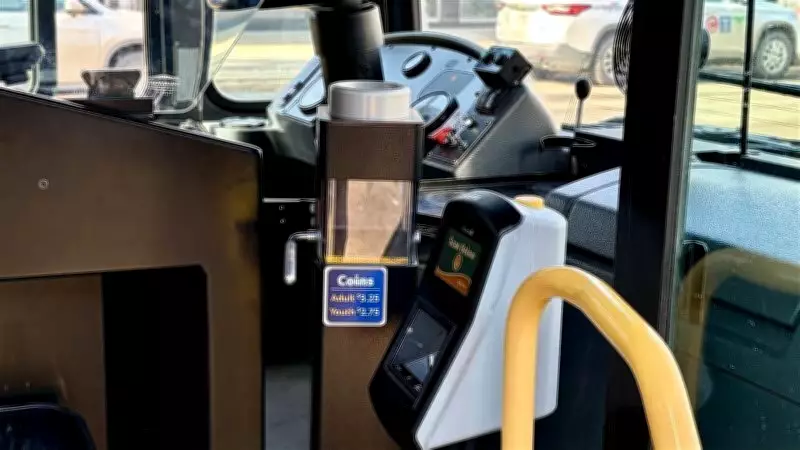
A proposed 10 percent increase in transit fares in Regina has triggered significant community backlash, with vulnerable residents and advocates voicing strong opposition at city hall. The fare hike proposal, which would affect all transit users but particularly impact low-income commuters, has become a focal point for public discontent regarding accessibility and affordability of public transportation.
Protest at City Hall Highlights Vulnerable Residents' Concerns
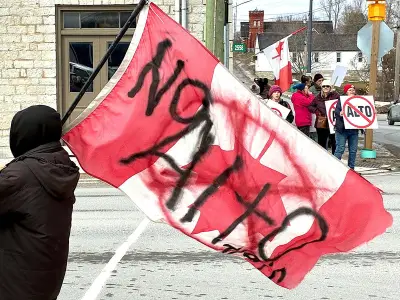
During a recent protest at Regina city hall, transit riders and community advocates gathered to demand reconsideration of the proposed fare increase. Protesters emphasized that the hike would disproportionately affect vulnerable populations, including seniors, students, and low-income individuals who rely heavily on public transit for daily mobility.
The 10 percent increase would represent a significant financial burden for many Regina residents already struggling with rising living costs. Advocates argue that public transportation should remain accessible to all citizens, regardless of economic status, and that fare increases should be implemented with careful consideration of their social impact.

Broader Context of Transportation Accessibility
This controversy emerges amid ongoing discussions about urban mobility and equitable access to public services across Canadian municipalities. The Regina fare hike proposal highlights the delicate balance municipal governments must maintain between operational sustainability and social responsibility in public transit systems.
Community members have expressed concern that reduced transit accessibility could lead to increased social isolation for vulnerable populations and potentially limit employment opportunities for those dependent on public transportation. The protest at city hall represents growing public awareness about how municipal decisions affect daily life for residents across economic spectrums.
Looking Forward: Potential Solutions and Community Engagement
As the debate continues, several potential alternatives have emerged from community discussions:
- Implementing a tiered fare system based on income levels
- Increasing municipal subsidies for public transit operations
- Exploring alternative funding mechanisms for transportation infrastructure
- Enhancing community consultation processes for future fare adjustments
The strong public response to Regina's fare hike proposal demonstrates the importance of transparent decision-making processes and meaningful community engagement in municipal governance. As city officials consider next steps, the voices of vulnerable residents will likely play a crucial role in shaping the final outcome of this transportation policy debate.