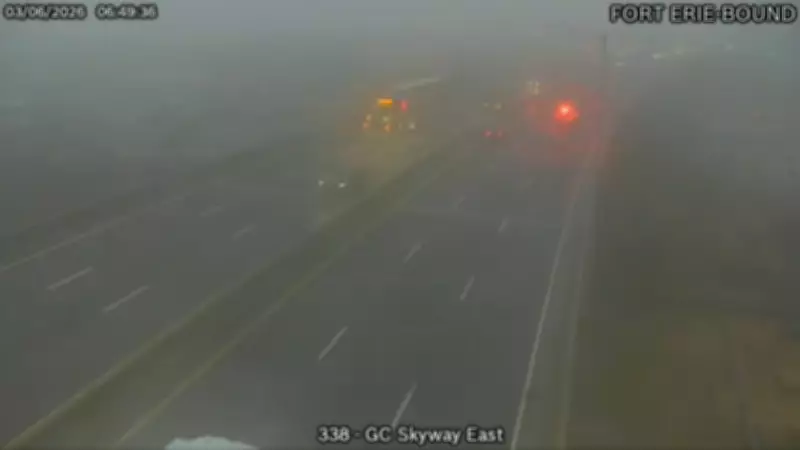
QEW Fort Erie-Bound Lanes Reopen After Morning Closure in St. Catharines
The Fort Erie-bound lanes of the Queen Elizabeth Way (QEW) in St. Catharines have officially reopened after an early-morning closure on March 6, 2026. The shutdown was necessitated by treacherous icy conditions that created significant hazards for motorists in the region.
Authorities reported that the closure was implemented as a precautionary measure to ensure public safety following overnight freezing temperatures and precipitation. The icy patches rendered the roadway dangerously slick, increasing the risk of accidents and collisions.
Details of the Closure and Reopening
The affected stretch of the QEW, a major transportation artery in Southern Ontario, was closed in the early hours of Thursday morning. Traffic management teams worked diligently to assess and address the conditions, applying de-icing materials and monitoring weather patterns closely.

By mid-morning, officials confirmed that the lanes had been cleared and were safe for travel. Drivers were advised to remain cautious, as residual ice or wet surfaces could still pose challenges, especially in shaded or elevated sections of the highway.
Impact on Commuters and Regional Traffic
The temporary closure likely caused delays and disruptions for commuters heading toward Fort Erie and the Niagara region. Alternative routes may have experienced increased congestion as motorists sought detours around the affected area.
Local transportation agencies emphasized the importance of winter preparedness, urging drivers to check road conditions before traveling and to equip their vehicles with appropriate tires and safety gear during cold weather months.
Broader Context of Weather-Related Incidents
This incident underscores the ongoing challenges posed by winter weather in Canada, where icy conditions frequently lead to highway closures and traffic advisories. It also highlights the critical role of infrastructure maintenance and rapid response teams in minimizing disruptions and ensuring road safety.
As climate patterns evolve, such events may become more frequent or severe, necessitating continued investment in resilient transportation systems and public awareness campaigns about safe driving practices in adverse conditions.