Senate Unanimously Approves Homeland Security Funding, Excluding Immigration Enforcement
In the early hours of Friday morning, the Senate unanimously approved a funding package for the Department of Homeland Security, providing financial relief for Transportation Security Administration agents and most other agencies. However, the deal notably excludes funding for immigration enforcement operations, which are at the core of a prolonged budget impasse that has disrupted travel and imposed severe financial hardships on federal workers.
Deal Details and Immediate Impact
The Senate passed the measure without a roll call vote, and it now moves to the House for consideration, expected to occur later on Friday. Senate Majority Leader John Thune, a Republican from South Dakota, expressed optimism, stating, "We can get at least a lot of the government opened up again and then we’ll go from there. Obviously, we’ll still have some work ahead of us." The funding package covers agencies such as the Federal Emergency Management Agency, the Coast Guard, and TSA, but it does not allocate money for Immigration and Customs Enforcement. Customs operations are funded, while Border Protection remains unfunded.
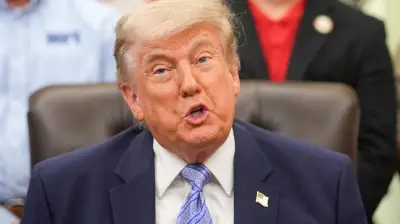
President Donald Trump announced he would sign an order to immediately pay TSA agents, aiming to alleviate the "Chaos at the Airports" caused by the shutdown. This order would utilize funds from his 2025 tax bill, according to a senior administration official speaking anonymously. The deal does not include any of the restraints Democrats have demanded to rein in Trump's mass deportation agenda.

Political Stalemate and Ongoing Disputes
The approval comes after a 42-day stalemate over Homeland Security funding, with pressure mounting as TSA workers faced missing another paycheck on Friday. Senate Democratic Leader Chuck Schumer criticized the delay, saying the outcome could have been reached weeks earlier. He vowed that Democrats would continue fighting to ensure Trump's "rogue" immigration operation "does not get more funding without serious reform."
Conservative Republicans have opposed their party's proposals, demanding full funding for immigration operations. Senator Eric Schmitt, a Republican from Missouri, emphasized, "We will fully fund ICE. That is what this fight is about. The border is closing. The next task is deportation." The package imposes no new limits on immigration enforcement, which has continued largely uninterrupted during the shutdown, partly due to extra funds from the GOP's tax cuts bill signed by Trump last year.
Airport Chaos and Worker Hardships
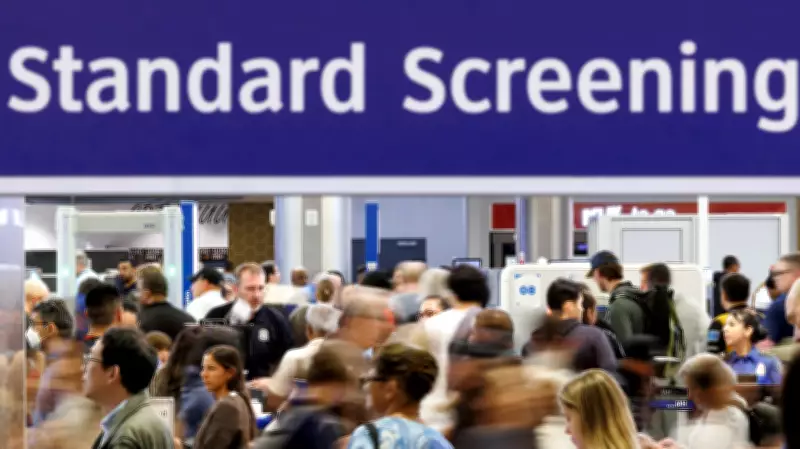
The funding shutdown has led to significant travel delays and warnings of potential airport closures, as TSA workers missing paychecks have stopped reporting for duty. Nationwide, over 11% of scheduled TSA employees missed work on Wednesday, resulting in more than 3,120 callouts. Multiple airports are experiencing callout rates exceeding 40%, and nearly 500 of the agency's approximately 50,000 transportation security officers have resigned during the shutdown.
At George Bush Intercontinental Airport in Houston, traveler Melissa Gates described waiting over two and a half hours without reaching the security checkpoint, causing her to miss her flight to Baton Rouge, Louisiana. She lamented, "I should have just driven, right? Five hours would have been hilarious next to this." Everett Kelley, president of the American Federation of Government Employees, expressed gratitude for the TSA workers' pay but urged Congress to pass a comprehensive deal that funds all DHS workers and keeps agencies operational.
Next Steps and Uncertainties
In the House, where Speaker Mike Johnson, a Republican from Louisiana, holds a slim majority, passage of the Senate package is uncertain and will likely require bipartisan support. Lawmakers from both the left and right flanks are revolting, with Democrats pushing for reforms such as requiring federal agents to wear identification, remove face masks, and avoid raids near sensitive locations like schools and churches. They also advocate for judicial oversight of administrative warrants.

Earlier on Thursday, talks between parties collapsed after Thune presented a "last and final" offer to Democrats. Trump had largely delegated the issue to Congress but threatened to deploy the National Guard to airports if necessary. The White House had considered invoking a national emergency to pay TSA agents, but opted for the executive order instead. If the Senate package is approved by the House and signed into law, Trump's order to pay TSA agents may become temporary or unnecessary.