

China Launches Formal Trade Investigations Against U.S. Practices
In a significant escalation of international trade tensions, China has officially opened investigations into United States trade practices. This move comes as a direct response to recent tariff actions implemented by the Trump administration, signaling a potential new phase in the ongoing economic rivalry between the world's two largest economies.
Retaliatory Measures in Global Trade Dispute
The Chinese government announced the investigations on March 27, 2026, marking a calculated response to what Beijing perceives as protectionist measures from Washington. While specific details of the investigations remain undisclosed, trade analysts suggest they will likely focus on alleged unfair trade practices, subsidy programs, and market access restrictions affecting Chinese businesses operating in the United States.
This development represents a notable shift in China's approach to trade disputes with the U.S. Rather than implementing immediate counter-tariffs, Chinese authorities have opted for a more procedural response that could potentially challenge U.S. policies through international trade frameworks. The investigations could lay the groundwork for formal complaints at the World Trade Organization or justify future retaliatory measures.

Background of Escalating Trade Tensions
The current trade friction traces back to the Trump administration's implementation of new tariffs on Chinese imports earlier this year. These measures were justified by U.S. officials as necessary to address trade imbalances and protect American industries from what they characterize as unfair competition.
"China's decision to launch investigations represents a strategic response rather than an impulsive reaction," noted one international trade analyst. "This approach allows Beijing to gather evidence and build a case while maintaining diplomatic channels for potential negotiations."
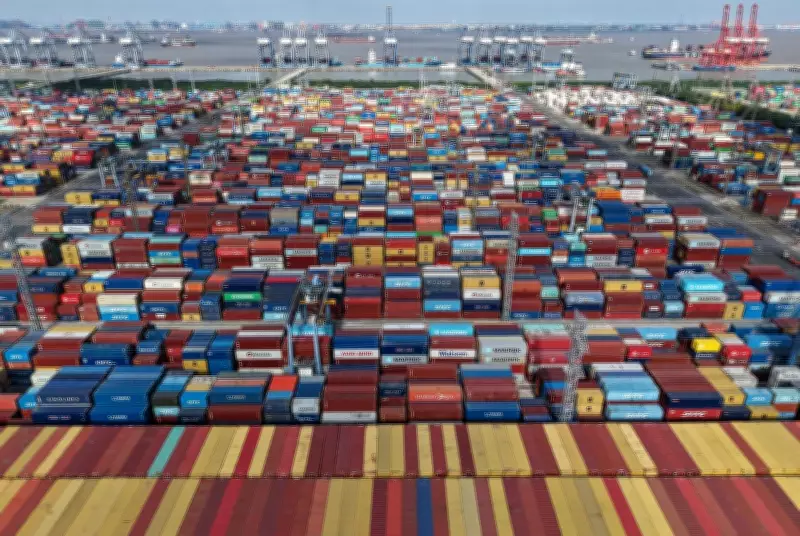
The investigations come at a particularly sensitive time for global trade relations, with many economies still recovering from previous trade disruptions. The container terminal in Shanghai, a crucial hub for international commerce, symbolizes the interconnected nature of modern global supply chains that could be disrupted by escalating trade measures.
Potential Implications for Global Commerce
Trade experts warn that this development could have several significant consequences:
- Increased uncertainty for multinational corporations operating in both countries
- Potential supply chain disruptions across multiple industries
- Higher costs for consumers in both nations if tariffs escalate further
- Reduced investment flows between the two economic superpowers
The investigations also coincide with broader discussions about reforming international trade rules and addressing concerns about forced labor practices, though Chinese officials have consistently denied such allegations. As both nations prepare for potential negotiations, the global business community watches closely, aware that the outcome could reshape international trade patterns for years to come.






