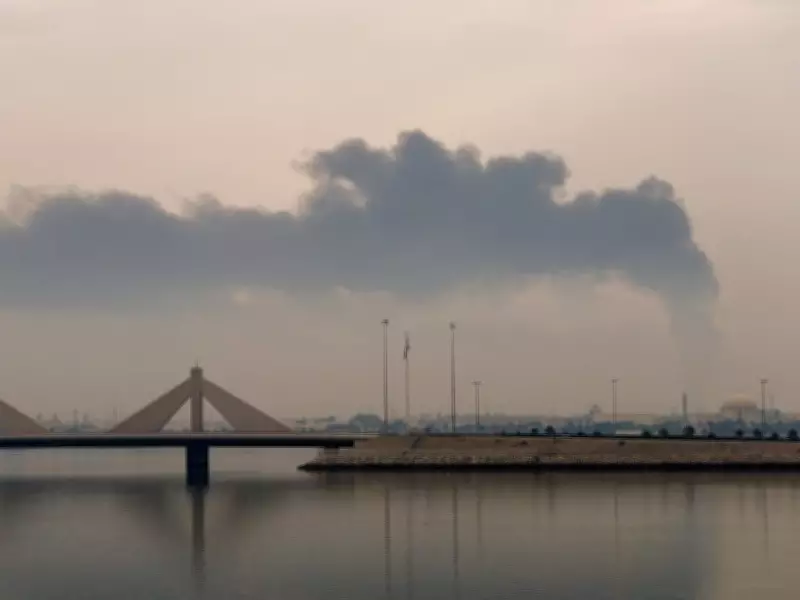
Israeli Defense Minister Israel Katz issued a stark warning on Friday, stating that Israeli military actions against Iran are set to intensify and broaden in scope. This declaration follows a series of targeted strikes conducted by Israeli forces in the heart of Tehran earlier in the day, marking a significant escalation in the ongoing regional conflict.
Israeli Strikes and Regional Fallout
In a formal statement, Katz emphasized that he and Prime Minister Benjamin Netanyahu had previously cautioned the Iranian regime to cease missile attacks on Israeli civilian populations. "Despite the warnings, the firing continues—and therefore Israeli military attacks in Iran will escalate and expand to additional targets and areas that assist the regime in building and operating weapons against Israeli citizens," Katz asserted. He further warned that Iran would face "heavy, increasing prices for this war crime."
Lebanon and Beirut Incidents
Concurrently, thousands of Israeli troops have advanced into Lebanon, with Israeli officials expressing intentions to secure control over the territory south of the Litani River, located approximately 30 kilometres north of the border. In a related development, Lebanon's Health Ministry reported that two individuals were killed in an Israeli strike on the Beirut suburb of Tahwitat al-Ghadir early Friday. The attack occurred without prior warning, exacerbating tensions in the area.

U.S. Involvement and Diplomatic Maneuvers
Amidst these hostilities, U.S. President Donald Trump has postponed a threat to destroy Iran's energy facilities over the closure of the Strait of Hormuz, extending the deadline until April 6. Trump cited ongoing negotiations with Iran, claiming talks were progressing "very well." However, Iranian authorities have publicly denied engaging in any discussions with the United States to end the war, highlighting a diplomatic disconnect.
Iranian Accusations and Humanitarian Concerns
Iranian Foreign Minister Abbas Araghchi addressed the Human Rights Council in Geneva on Friday, accusing the United States and Israel of demonstrating a "clear intent to commit genocide." Araghchi detailed the devastating impact of the conflict on Iran's educational infrastructure, noting that over 600 schools have been damaged or demolished, with more than 1,000 students and teachers either killed or injured. He referenced a February 28 strike on an elementary school in Minab, which resulted in over 165 fatalities, predominantly children, according to Iranian state media. Independent experts suggest evidence points to U.S. airstrikes as the likely cause of the blast.
Maritime Incident in the Strait of Hormuz
In a separate maritime development, a Thai-flagged cargo ship, the Mayuree Naree, which was attacked by Iranian forces in the Strait of Hormuz on March 11, has reportedly run aground near Qeshm Island. Iranian media outlets, including Tasnim and Fars news agencies, confirmed the incident, noting that the vessel was abandoned by its crew. Thai authorities indicated that Iranian and Omani rescue teams reached the ship, though three sailors remain missing.
The situation remains fluid as military actions and diplomatic efforts unfold across the region, with international observers closely monitoring for further escalations.