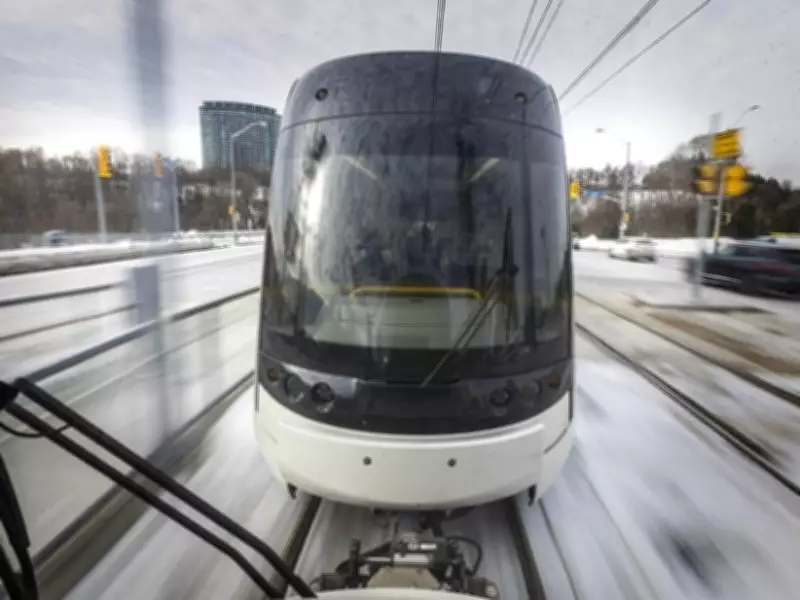
Privatization Could Revitalize Toronto's Troubled Transit System, Expert Argues
After years of delays and cost overruns, the Eglinton Crosstown LRT has finally commenced operations in Toronto, marking a bittersweet milestone for the city's beleaguered public transit network. Originally projected to cost $4.6 billion and open in 2020, the light rail line ultimately required more than $13 billion and did not launch until February 2026, following construction that began in 2011.
Chronic Delays and Budget Blowouts Plague Transit Projects
The Eglinton Crosstown is not an isolated case of mismanagement. The Finch West LRT, which opened in December 2025, also faced significant setbacks. Initially slated for a 2023 debut with a $2.5 billion budget, it ended up costing $3.7 billion and experienced multiple shutdowns during its first major snowstorm, highlighting reliability issues from the outset.
These projects underscore a pattern of financial indiscipline and operational inefficiency within Toronto's transit agencies. For context, the Canadian Pacific Railway completed its transcontinental expansion from Ontario to British Columbia in just four years during the 1880s, whereas the Eglinton LRT's timeline stretched over fifteen years with repeated postponements.

Commuter Frustrations Mount Amid Service Failures
Beyond infrastructure woes, daily commuters contend with subpar service from Metrolinx and the Toronto Transit Commission (TTC). A recent GO train derailment at Union Station in early February 2026 caused widespread disruptions for a week, prompting an apology from Metrolinx's CEO. Meanwhile, TTC performance metrics reveal systemic shortcomings.
According to the TTC CEO's latest report, on-time performance for November 2025 fell short of targets: subways achieved 88.2% against a 90% goal, buses only 73%, and streetcars a mere 55%. Customer satisfaction languished at 72%, well below the 84% target, with transit ridership declining by 1.1% year-over-year. Compounding these issues, a delayed report publication further exemplifies the lack of timeliness plaguing the system.
Privatization as a Potential Solution
In response to these challenges, columnist Matthew Lau, an adjunct scholar with the Fraser Institute, proposes increased private sector involvement as a remedy. He cites successful models like Hong Kong's MTR Corporation, which operates a profitable railway system with a 99.9% on-time record, compared to the TTC's 55% for streetcars.
Privatization has also yielded improvements in other major cities. London and Melbourne witnessed enhanced transit performance after delegating operational control to MTR. While not a cure-all, Lau argues that reducing government control and expanding private sector roles could introduce greater accountability and financial discipline, curbing the cycle of boondoggles and underperformance.
The debate over privatization gains urgency as Toronto grapples with wasted resources, such as the $97 million spent on two SmartTrack stations that may never be built. As commuters grow increasingly dissatisfied, exploring alternative management structures may be essential for revitalizing the city's transit future.