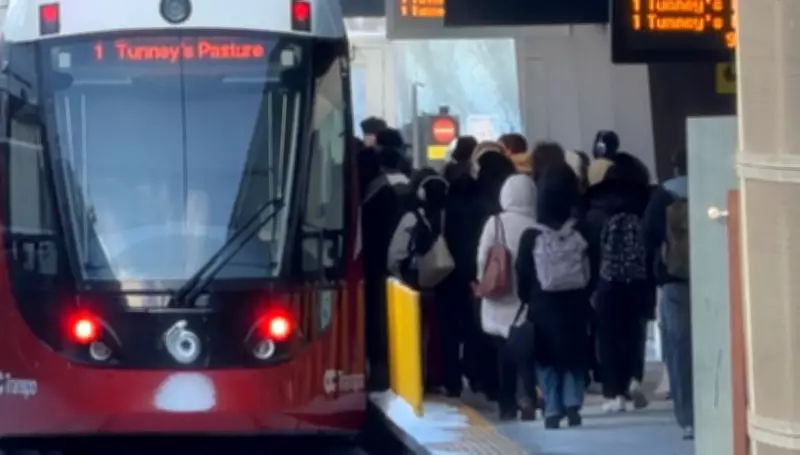
Ottawa City Council Approves Safety Audit for O-Train Line 1, Implementation Delayed
A City Councillor in Ottawa has formally called upon the municipal government to conduct a comprehensive safety audit of Line 1 of the city's light rail transit system, commonly known as the O-Train. This request comes amid ongoing concerns about operational reliability and passenger security on the critical transit corridor. The City of Ottawa has officially approved the audit, but with a significant caveat: the review will not commence until full service is fully restored across the entire line, a move that has sparked discussions about prioritization and public safety timelines.
Details of the Proposed Safety Review
The proposed audit aims to systematically examine a range of safety issues that have been reported or suspected on O-Train Line 1. These include potential infrastructure vulnerabilities, emergency response protocols, and daily operational hazards that could impact commuters. The Councillor's push highlights growing public and political pressure to address transit safety proactively, rather than reactively, especially as the city continues to expand its rail network.
However, the delay in initiating the audit until after service normalization raises questions about the urgency of such safety measures. City officials cite the need for stable operations to ensure an accurate and effective assessment, arguing that conducting the audit during ongoing service disruptions could yield incomplete or skewed results. This decision underscores the balancing act between immediate operational recovery and long-term safety enhancements.

Broader Context and Public Reaction
Ottawa's light rail system has faced numerous challenges since its inception, including technical glitches, weather-related interruptions, and passenger complaints about service consistency. The call for a safety audit reflects a broader trend in urban transit governance, where cities are increasingly scrutinizing infrastructure resilience in the face of growing ridership and climate-related stresses.
Public reaction has been mixed, with some residents expressing frustration over the delay, while others support a methodical approach to ensure thoroughness. Transit advocacy groups emphasize that safety audits are crucial for building trust and ensuring the system's sustainability, but they urge the city to set clear timelines for both service restoration and audit commencement to avoid prolonged uncertainty.
As Ottawa works to resolve current service issues, the approved but delayed safety audit represents a pivotal step toward reinforcing the O-Train's reliability and safety for all users. The outcome of this review could influence future transit policies and investments not only in Ottawa but potentially in other Canadian cities grappling with similar urban mobility challenges.