Ottawa's Transit Troubles: City Council Debates Accountability Amid OC Transpo Service Woes
Ottawa city councillors are currently engaged in a contentious debate about how to address the ongoing service failures of OC Transpo, the city's public transit system. As they discuss various proposals aimed at helping beleaguered transit riders, a stark reality emerges: none of the options being considered will actually improve the quality or reliability of service.
The Core Problems: Electric Bus Delays and LRT Mechanical Issues
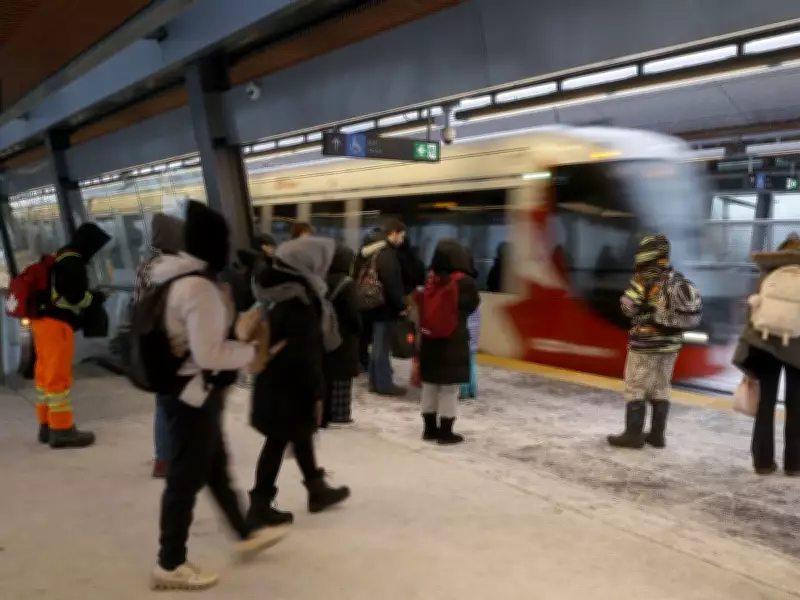
OC Transpo's service has deteriorated significantly due to two primary factors. First, the slow delivery of electric buses has created a shortage of reliable vehicles. Second, a persistent mechanical problem has forced most Line 1 LRT trains out of service, severely limiting the system's capacity and efficiency.
In response to these challenges, the transit authority recently announced it was reducing the size of trains on Line 1 to manage the technical issues. This temporary measure highlights the systemic problems plaguing Ottawa's public transportation network.

Proposed Solutions That Don't Solve the Problem
City councillors are now debating several approaches to address rider frustrations, including implementing service guarantees, offering refunds for poor service, or simply urging patience from transit users. While these discussions are happening at city council meetings, all proposed solutions share one critical flaw: they fail to address the fundamental infrastructure and operational issues causing the service disruptions.
Councillor Sean Devine has proposed creating an accountability mechanism that would encourage OC Transpo to deliver better service, potentially including refunds for riders when service standards aren't met. However, Devine acknowledges that immediate action is unlikely given the current transit challenges. He aims to align his proposal with a service improvement plan expected by the end of next year.
The Mayor's Perspective and Financial Realities
Mayor Mark Sutcliffe has expressed reservations about the refund proposal, citing the already strained financial situation of the transit system. His concerns are understandable given the budgetary pressures facing OC Transpo, but his arguments have raised questions about their practical application.
Sutcliffe noted that refunds would essentially mean "it's their own money we're giving them," which accurately describes the nature of refunds. The mayor's deeper concern appears to be that refunds would create additional pressure on property taxes, which already subsidize a significant portion of transit costs.
The mayor also argued against taking money from the public transit budget that could otherwise be used for service improvements. However, this argument overlooks the reality that service improvements are currently impossible until new buses arrive and the existing trains are repaired. The fundamental issue isn't financial allocation but operational capacity.
Current Operational Adjustments and Financial Challenges
Despite the reduced number of available trains, the city has implemented a rational approach by running single-car trains at greater frequency than the usual two-car trains. Bus routes have also been adjusted to match the limited number of available buses, representing a pragmatic response to current constraints.
The financial situation of OC Transpo remains precarious. In theory, property taxes cover 55 percent of transit costs while riders contribute 45 percent. However, due to low ridership and rapidly increasing operational expenses, property taxes will need to cover 67 percent of costs this year.
Even with this increased subsidy, there remains a $47 million gap in the transit budget. The city hopes to address this shortfall with promised provincial government funding for LRT capital and maintenance costs, though this money has not yet been delivered.
The Accountability Dilemma
The central challenge facing Ottawa's city council is how to create meaningful accountability for transit service without actually improving that service. Asking a government bureaucracy to develop mechanisms for punishing itself for poor performance represents a daunting task that may yield more discussion than substantive change.

As the debate continues, Ottawa transit riders face ongoing service disruptions with no clear timeline for resolution. The discussions at city hall highlight the complex interplay between operational challenges, financial constraints, and political accountability in municipal transit management.