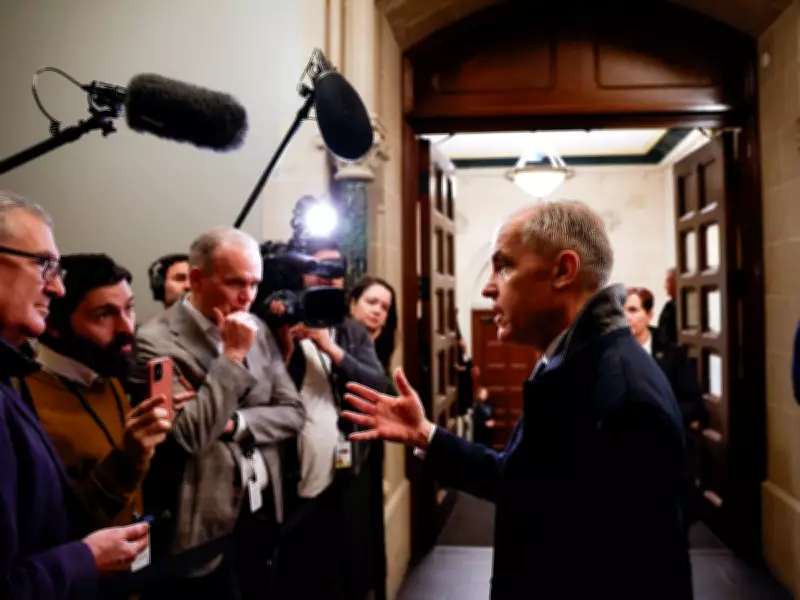
Prime Minister Mark Carney has clarified that the upcoming review of the Canada-United-States-Mexico Agreement (CUSMA) will not be dictated solely by the United States, but will involve a negotiation process aimed at achieving a mutually beneficial outcome. Speaking to reporters on Wednesday, April 22, 2026, as he arrived at Parliament Hill in Ottawa, Carney emphasized that this process "will take some time," highlighting the collaborative nature of the discussions.
Negotiation Dynamics and Timeline
Carney's comments come amid preparations for the CUSMA review scheduled for July 2026, with the existing pact set to run until 2036 but including a clause allowing countries to exit with six months' notice. He stressed that his government maintains "multiple levels of contact" with U.S. counterparts and is actively working through a series of trade issues. "We're well prepared around those issues," Carney stated, adding that they will sit down and work through them with a broader approach in the negotiation.
Counter Proposals and Mutuality Concerns
The prime minister revealed that his government has already made some counter proposals to the Americans, aiming to address concerns from both sides. This follows remarks by Janice Charette, Canada's chief trade negotiator to the U.S., who expressed a desire for "mutuality" from Washington. Charette noted that concessions made by Canada, such as removing the digital sales tax on U.S. tech giants and withdrawing most retaliatory tariffs in June of the previous year, have so far been "pocketed" without reciprocal gestures.

Trade Irritants and Bilateral Progress
Negotiations are expected to be contentious, with the United States highlighting several trade irritants, including Canada's dairy supply management system, a ban on U.S. alcohol in most provinces, and policies on digital sovereignty. United States Trade Representative Jamieson Greer has indicated that the alcohol ban is a non-starter for negotiations, signaling potential hurdles ahead.
Meanwhile, Mexico is currently further along in negotiations with the Americans, with Greer agreeing to begin formal bilateral talks at the end of May in Mexico City. Charette described the July review deadline as "kind of a checkpoint — it's not a cliff," suggesting it will not determine the future of the trade relationship but rather serve as a milestone in ongoing discussions.
Preparedness and Strategic Approach
Carney assured that his administration is strategically prepared to navigate these complex negotiations, focusing on a collaborative framework rather than a one-sided dictate. He reiterated that the goal is to reach a "mutually successful outcome," underscoring the importance of patience and thorough dialogue in achieving a sustainable agreement that benefits all parties involved.