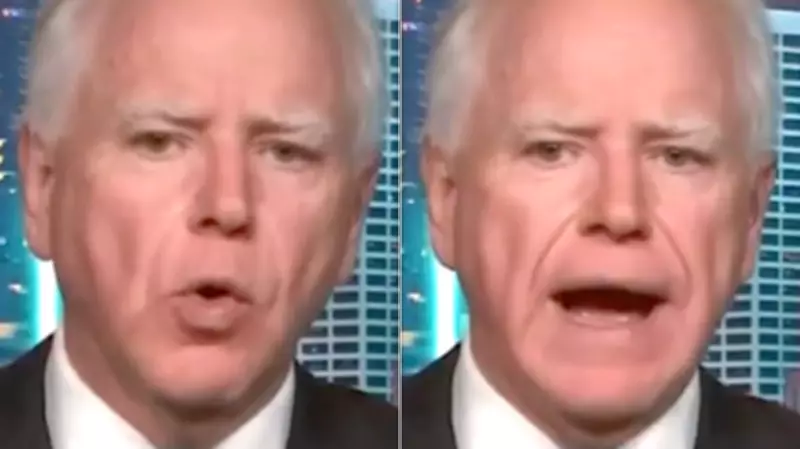
Minnesota Governor Tim Walz, a Democrat and the 2024 vice presidential nominee, declared this week that implementing universal healthcare is crucial for a Democratic president to sustain power after election victories. He emphasized that progressives must focus on enacting transformative policies rather than merely holding office.
A Call for Policy Over Power
Speaking on MS NOW's "The Weeknight" program, Walz announced the formation of a new political action committee dedicated to advancing rural interests. He critiqued the Democratic Party's historical struggles, stating, "Progressives win elections, but they can’t hold power. We have to figure out once we move in a progressive way, once we see a Barack Obama win, once we see a Congress win, it has to be about not holding power for the sake of holding power. It has to be about passing things."
Healthcare as a Cornerstone for Rural Communities
Walz specifically highlighted universal healthcare as a non-negotiable priority for future Democratic administrations. He warned, "When we take power back, I’ll tell you what, the next Democratic president better figure out a way to get universal health care, [or] we’re back in the same situation again. And it better improve the lives of those rural hospitals, because that’s the way you get true power."

He elaborated that electoral success should translate into tangible benefits for citizens, saying, "Because we don’t want to win to just win. We want to win so we can enact policies that improve people’s lives." This stance aligns with broader moral calls, such as Pope Leo XIV's recent statement labeling universal healthcare a "moral imperative" globally.
Public Opinion and Political Divides
A December Pew Research Center survey reveals significant public backing for government-led healthcare initiatives. According to the poll, 66% of Americans believe it is the government's responsibility to ensure healthcare coverage for all citizens. However, opinions on implementation vary:
- 35% of supporters favor a single-payer system run entirely by the government.
- 31% prefer a hybrid model combining private insurance with government programs.
Despite this support, the survey notes deep partisan divides. Nearly 60% of Republicans and Republican-leaning independents oppose universal government healthcare coverage, highlighting the political challenges in achieving consensus.
Timing and Legislative Prospects
With the upcoming midterm elections and the 2028 presidential race, Democrats may have opportunities to advance healthcare reforms if they regain control of Congress and the White House. Progressive Representative Pramila Jayapal of Washington echoed this sentiment, noting that support for "Medicare for All" is currently at a peak.
Jayapal emphasized the economic urgency, telling Politico, "Health care is still the number one cost concern for Americans. You cannot be too left on health care." This underscores the growing pressure on Democratic leaders to deliver substantive policy changes that address voter anxieties and solidify long-term political influence.