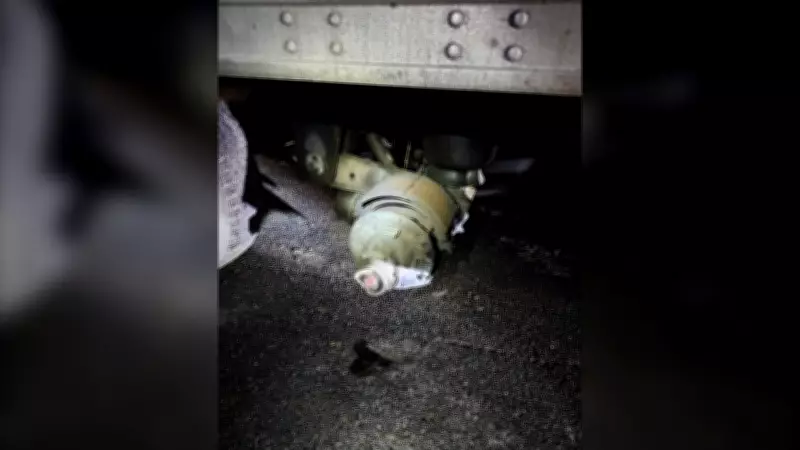
Highway Hazard: OPP Intervenes as Tractor-Trailer Operates Without Rear Tires on Hwy. 17
In a startling incident on Highway 17 in Northern Ontario, the Ontario Provincial Police (OPP) stopped a tractor-trailer that was missing a full set of rear tires, highlighting a significant safety hazard on the snowy roadway. The event, which occurred on February 23, 2026, underscores ongoing concerns about vehicle maintenance and road safety in challenging winter conditions.
Details of the Incident
According to police reports, the OPP cruiser was patrolling the highway when officers noticed the large commercial vehicle operating with incomplete rear tires. The absence of these critical components posed an immediate risk, potentially leading to loss of control, accidents, or debris on the road, especially given the snowy and icy surfaces typical of the region during this time of year.
This incident serves as a stark reminder of the importance of regular vehicle inspections, particularly for commercial trucks that traverse long distances in remote areas. The OPP has not released specific details about the driver's identity or potential charges, but such violations often result in fines, license suspensions, or other legal actions under Ontario's Highway Traffic Act.

Broader Context of Highway Safety
Highway 17, a major transportation route through Northern Ontario, is no stranger to hazardous conditions, with winter weather frequently contributing to accidents and traffic disruptions. Recent months have seen multiple incidents, including bus crashes and collisions, prompting calls for enhanced safety measures and stricter enforcement of vehicle regulations.
- Increased police patrols during winter months to monitor vehicle compliance.
- Public awareness campaigns on the dangers of driving with faulty equipment.
- Collaboration between law enforcement and transportation agencies to improve road maintenance.
This event aligns with a pattern of safety issues on Canadian highways, as seen in other provinces where speed, impairment, or vehicle defects have led to serious crashes. For instance, similar incidents in British Columbia and Ontario have resulted in injuries or fatalities, emphasizing the need for vigilance among all road users.
Implications for Commercial Transportation
The stoppage of the tractor-trailer raises questions about the oversight of commercial fleets and the responsibilities of drivers and companies to ensure vehicles are roadworthy. In an era of heightened focus on logistics and supply chain efficiency, such lapses in safety can disrupt traffic, cause economic losses, and endanger lives.
Experts suggest that regular maintenance checks and adherence to safety protocols are crucial, particularly in remote regions where help may be delayed in emergencies. The OPP's swift action in this case likely prevented a more severe outcome, but it highlights the ongoing challenges in enforcing standards across the vast network of Canadian highways.
As winter continues to impact Northern Ontario, authorities urge drivers to report unsafe vehicles and prioritize safety over expediency. This incident serves as a cautionary tale for the transportation industry and the public alike, reinforcing that proper vehicle upkeep is non-negotiable for safe travel.