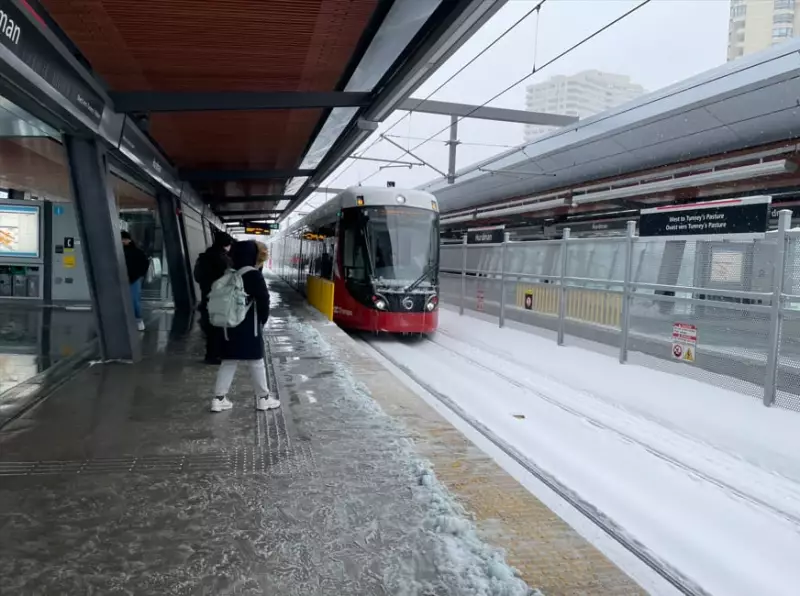
Ottawa residents have received a significant update on the long-awaited expansion of the city's light rail transit system. Mayor Mark Sutcliffe has announced that testing for the O-Train Confederation Line's eastward extension is scheduled to begin relatively early in the year 2026. This marks a crucial step toward bringing rail service to more communities in the city's east end.
A Major Milestone for Ottawa Transit
The upcoming testing phase represents a pivotal moment for the multi-billion dollar infrastructure project. While an exact start date within 2026 was not specified, the mayor's use of the phrase "relatively early" provides a clearer, though still approximate, timeline for residents and commuters eagerly anticipating the line's completion. This testing is essential for ensuring the new segment's safety, reliability, and integration with the existing LRT network before it opens to the public.
Project Scope and Anticipated Impact
The east extension will add several new stations, extending service from the current terminus at Blair Road further into Orléans. This expansion is a cornerstone of Ottawa's transportation plan, designed to alleviate traffic congestion, provide faster and more efficient commutes for east-end residents, and support continued urban development. The project has faced its share of challenges and delays, common for undertakings of this scale, making the announcement of a testing timeline a concrete sign of progress.

Next Steps and Public Information
As the project moves closer to the testing phase, city officials and OC Transpo are expected to release more detailed schedules and potential impacts on existing service. Residents living near the new alignment can anticipate seeing trains running without passengers as engineers and operators conduct rigorous checks on the tracks, signals, stations, and vehicles. The mayor's announcement, made in December 2025, sets the stage for what is hoped to be a transformative year for public transit in the nation's capital, bringing the city closer to realizing a fully connected east-west rail corridor.