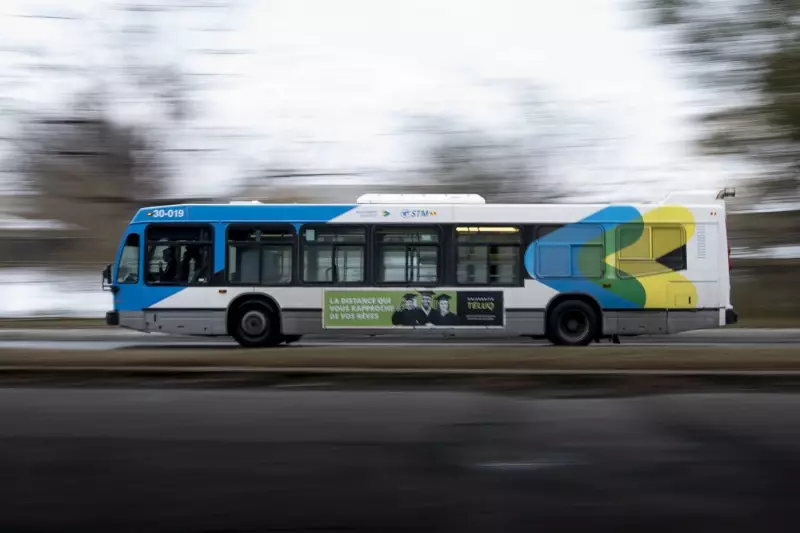
Montreal's public transit authority has confirmed a notable decline in passenger numbers for the year 2025, a downturn officials directly link to a series of rotating strikes that disrupted service.
Labour Disruption Takes a Toll on Commuter Numbers
The Société de transport de Montréal (STM) released data showing ridership fell below previous levels. The agency pinpointed the primary cause as the rotating strikes that created uncertainty and unreliable service for hundreds of thousands of daily users throughout the year. These labour actions, part of broader contract negotiations, led to unpredictable closures and reduced operations across the bus and metro network.
The final report was published on January 19, 2026, providing a full-year analysis of the 2025 operational period. The STM's statement did not include specific percentage drops or final rider totals, but emphasized the clear correlation between the strike activity and the decline in system usage.

Context of the Service Disruptions
The rotating strikes, a tactic employed by unionized workers, meant that different parts of the city's vast transit system were affected on different days. This made it difficult for regular commuters to plan their journeys, pushing many to seek alternative transportation such as personal vehicles, ride-sharing, or cycling. The image of a parked STM bus, emblematic of the stalled service, became a common sight during the labour unrest.
Transit advocates expressed concern that such disruptions could have longer-term effects, potentially breaking the habit of public transit use even after services normalize. The STM, which operates one of Canada's largest public transit networks, is now faced with the dual challenge of resolving labour relations and winning back rider confidence.
Looking Forward: Recovery and Reliability
The ridership report serves as a concrete measure of the strike's impact on city mobility and the local economy. A reliable public transit system is critical for reducing traffic congestion and meeting environmental goals in a major metropolitan area like Montreal.
Moving forward, the STM will likely focus on strategies to restore and grow its customer base. This will involve ensuring service stability, clear communication with the public, and potentially targeted campaigns to remind residents of the convenience and benefits of the bus and metro systems. The agency's ability to provide dependable service will be the key factor in reversing the 2025 ridership trend.