Middle East Airports Shut Down, Leaving Thousands of Travelers Stranded After Attack on Iran
Airports across the Middle East have been forced to close, resulting in widespread travel chaos and leaving thousands of passengers stranded. This significant disruption follows a major attack on Iran, which has escalated regional tensions and prompted immediate security responses from neighboring countries.
Immediate Airport Closures and Flight Cancellations
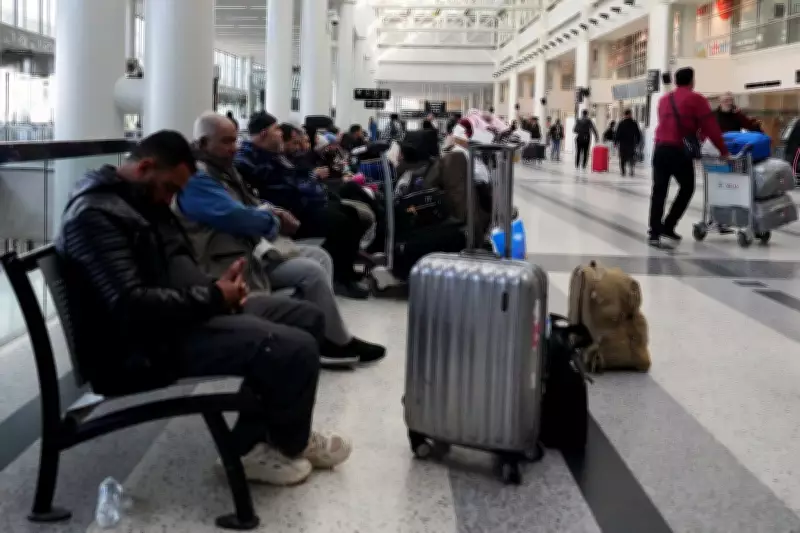
The attack on Iran has led to the sudden closure of multiple airports in the region, with many airlines canceling flights indefinitely. At Rafik Hariri International Airport in Beirut, Lebanon, passengers were seen waiting in departure terminals after their flights were abruptly canceled. Similar scenes unfolded at other major hubs as authorities prioritized security measures over travel operations.
The closures are a direct response to the heightened risk of retaliation and further conflict, creating an atmosphere of uncertainty for both travelers and aviation officials. Airlines are scrambling to adjust schedules and accommodate affected passengers, but the scale of the disruption has overwhelmed standard contingency plans.

Regional Tensions and Broader Impact
The airport shutdowns occur amid escalating tensions involving the United States, Israel, and Iran. The attack, which reportedly resulted in the death of Iran's Supreme Leader Ali Khamenei, has triggered protests and international concern. World leaders are urging a return to diplomatic talks to prevent further escalation.
This incident highlights the fragile security landscape in the Middle East, where geopolitical conflicts can swiftly impact civilian infrastructure and daily life. The travel disruptions are expected to have economic repercussions, affecting tourism, trade, and regional connectivity.
Stranded Travelers Face Uncertainty
For thousands of travelers, the airport closures mean extended delays, canceled plans, and logistical nightmares. Many are stuck in transit zones with limited information about when flights might resume. Humanitarian and consular services are being mobilized to assist stranded citizens, particularly in areas with limited resources.
Travelers are advised to contact their airlines for updates and explore alternative arrangements where possible. However, with no clear timeline for normalization, the situation remains fluid and stressful for all involved.
The broader implications of this event are still unfolding, but it underscores how quickly regional conflicts can disrupt global travel networks and strand innocent bystanders in the crossfire of international disputes.