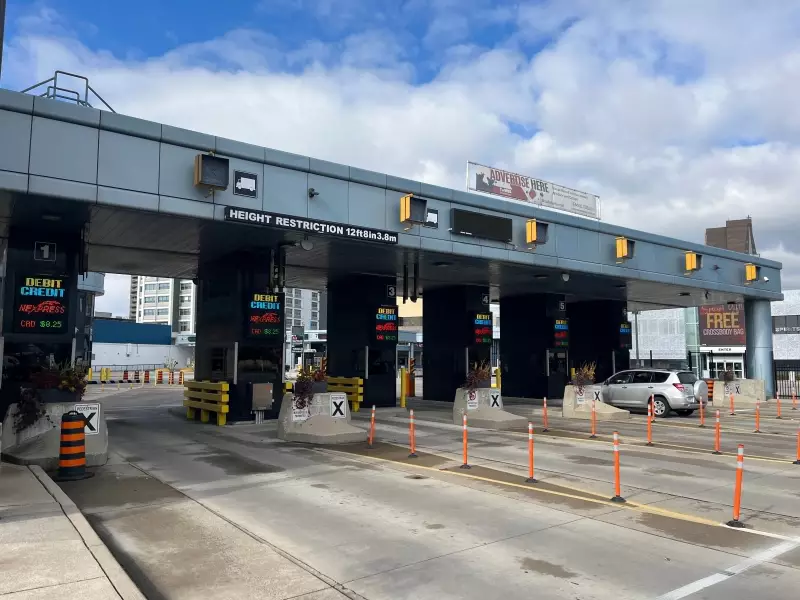
Commuters and commercial drivers faced significant disruptions on Thursday morning as extensive queues formed at the Windsor-Detroit Tunnel, creating major delays for cross-border traffic. The congestion, which began in the early hours, slowed the flow of vehicles between Windsor, Ontario, and Detroit, Michigan, impacting the morning rush.
Early Morning Gridlock Causes Frustration
The delays were reported to have started well before the typical morning commute peak. Long lines of vehicles were seen snaking back from the tunnel entrance on the Canadian side, causing a ripple effect on local Windsor streets. While the specific cause of the initial slowdown was not immediately detailed by authorities, such incidents often stem from heightened security screening, staffing changes, or technical issues at the inspection booths.
The Windsor-Detroit Tunnel is a vital artery for trade and travel, with thousands of passengers and a substantial volume of commercial goods crossing daily. Delays at this key border point have immediate economic and personal consequences, affecting just-in-time manufacturing supply chains, tourism, and the daily routines of binational workers and families.

Impact on Regional Connectivity and Commerce
This incident underscores the ongoing sensitivity of border infrastructure to disruptions. The tunnel, alongside the nearby Ambassador Bridge, forms the backbone of the busiest land border crossing between Canada and the United States. Any significant slowdown not only inconveniences travelers but can also lead to logistical headaches for the automotive and manufacturing sectors that dominate the regional economy.
Local businesses that rely on the steady flow of customers from the United States also feel the impact when potential visitors are deterred by long wait times. The event on January 16, 2026, serves as a reminder of the critical importance of maintaining efficient and resilient border operations.
Looking for Solutions and Updates
Officials typically monitor such situations closely, and traffic conditions can change rapidly. Drivers are always advised to check current border wait times through official government apps or websites before embarking on their journey. Alternative crossings, like the Ambassador Bridge, may offer relief during tunnel delays, though they can also become congested as traffic diverts.
While this morning's long lines eventually cleared, they highlight the persistent challenge of managing peak traffic at essential international crossings. Ensuring smooth operations at the Windsor-Detroit Tunnel remains a priority for both Canadian and American authorities to support the economic and social ties that bind the region.