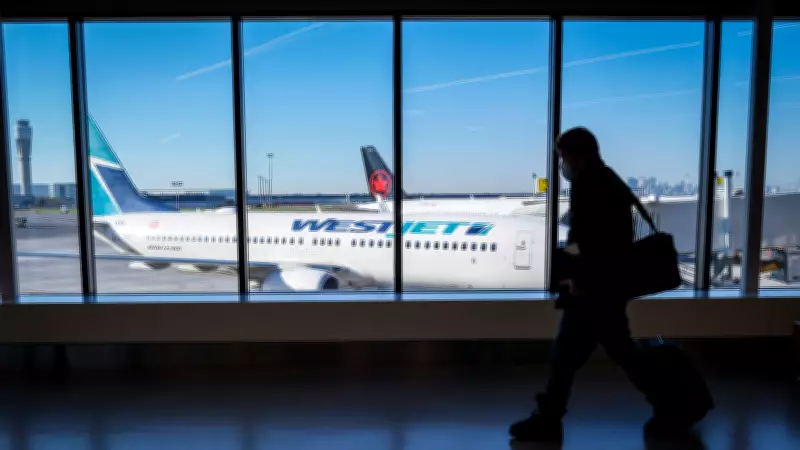
Calgary – A sharp increase in jet fuel prices is significantly impacting travel plans for Canadians, with airlines passing on higher costs to passengers through increased fares and reduced capacity. The surge, driven by global oil market volatility and geopolitical tensions, has led to a notable shift in consumer behavior, as travelers seek more affordable alternatives or postpone trips altogether.
Rising Costs for Airlines and Passengers
Air Canada and WestJet, the country's two largest carriers, have both implemented fare increases in recent weeks, citing the elevated price of jet fuel as a primary factor. According to industry analysts, jet fuel accounts for approximately 25 to 30 percent of an airline's operating expenses, making it a critical cost driver. With fuel prices climbing over 20 percent since the beginning of the year, airlines are under pressure to maintain profitability.
“Passengers are feeling the pinch at the ticket counter,” said an aviation expert from the University of Calgary. “We’re seeing a definite shift in booking patterns, with more people opting for budget carriers or choosing to drive instead of fly for shorter distances.” The expert added that the trend is likely to continue as long as fuel prices remain elevated.

Impact on Travel Plans
For many Canadians, the higher fares are forcing difficult decisions. Families planning summer vacations are reconsidering destinations, while business travelers are cutting back on non-essential trips. Some travelers are turning to rewards points or credit card perks to offset the increased costs, but others are simply staying home.
“I was planning a trip to Europe, but now it’s just too expensive,” said a Calgary resident. “I’m looking at options closer to home, maybe a road trip instead.” This sentiment is echoed across the country, with travel agencies reporting a slowdown in bookings for international flights.
Broader Economic Context
The jet fuel price surge is part of a larger trend of rising energy costs, which are also affecting other sectors of the economy. The increase is attributed to a combination of factors, including OPEC+ production cuts, refinery capacity constraints, and global demand recovery post-pandemic. Analysts warn that the situation could worsen if geopolitical instability continues.
The Canadian government has faced calls to intervene, but officials have so far resisted, emphasizing market-driven solutions. However, the impact on consumers is undeniable, with inflation already straining household budgets.
Looking Ahead
As the summer travel season approaches, the aviation industry is bracing for continued volatility. Airlines are exploring fuel hedging strategies and operational efficiencies to mitigate costs, but passengers may need to adjust their expectations. For now, the message from experts is clear: plan ahead, compare prices, and be flexible.