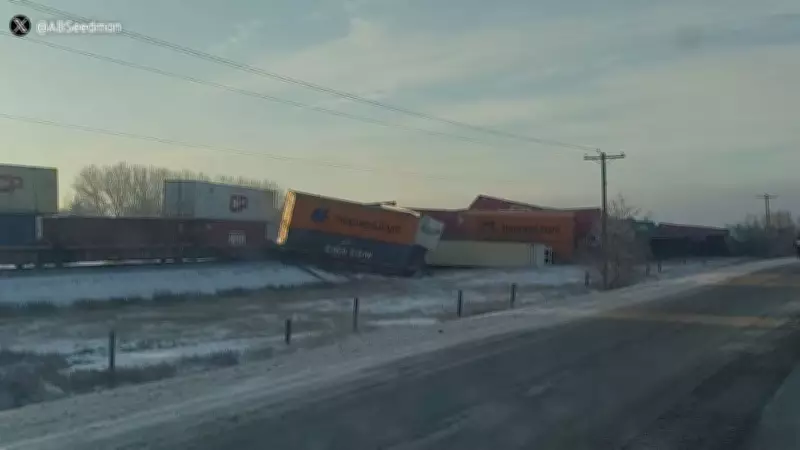
Incomplete Training Cited as Primary Cause in 2024 Brooks Train Derailment
Canada's national transportation watchdog has released its findings on a significant railway incident that occurred near Brooks, Alberta, in 2024. The report concludes that incomplete training was the key factor leading to the derailment of seventeen train cars, raising serious questions about operational safety protocols within the rail industry.
Investigation Details and Safety Implications
The Transportation Safety Board (TSB) conducted a thorough investigation into the derailment, which disrupted rail services and prompted local emergency responses. According to the report, the crew involved lacked comprehensive training on specific operational procedures, directly contributing to the accident. "The findings indicate a critical gap in training standards that must be addressed to prevent future incidents," a TSB spokesperson stated.
This incident underscores broader concerns about railway safety in Canada, particularly as freight and passenger traffic increases. The derailment near Brooks, a region known for its agricultural and industrial activity, could have had more severe consequences if hazardous materials had been involved. Enhanced training programs and stricter compliance checks are now being urged by safety advocates to mitigate such risks.

Broader Context and Industry Response
In response to the report, railway companies and regulatory bodies are reviewing their training frameworks. The TSB has recommended:
- Implementing mandatory refresher courses for all railway personnel.
- Developing more rigorous simulation-based training modules.
- Increasing oversight of training completion records to ensure compliance.
While no injuries were reported in this derailment, the economic and environmental impacts were significant, with cleanup operations and track repairs costing millions. This event adds to a series of railway safety incidents across Canada, prompting calls for systemic reforms. "We cannot afford to overlook these training deficiencies," emphasized a transportation analyst. "Proactive measures are essential to safeguard both public safety and infrastructure integrity."
The release of these findings coincides with ongoing debates about transportation infrastructure funding and safety regulations in Alberta and nationwide. As authorities work to implement the TSB's recommendations, the Brooks derailment serves as a stark reminder of the importance of robust training in preventing railway disasters.