Protesters Rally in Hawkesbury Against High-Speed Rail Project Amid Local Concerns
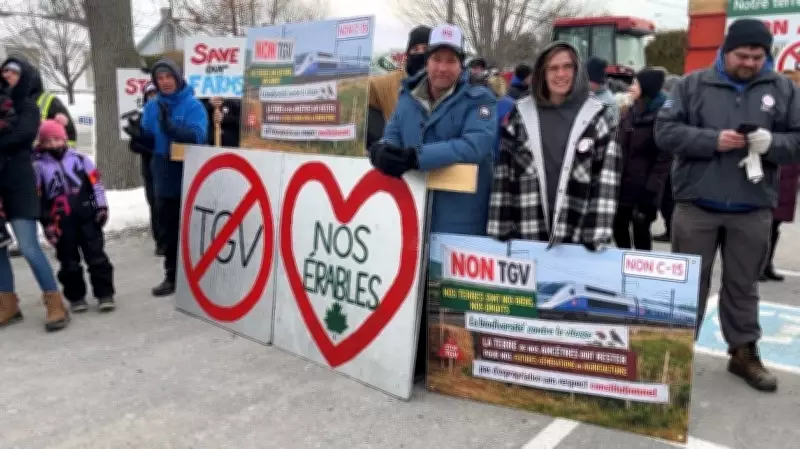
On March 5, 2026, a significant gathering of protesters assembled in Hawkesbury, Ontario, to voice strong opposition to the proposed Alto high-speed rail project. The demonstration highlighted growing community unease over the potential impacts of the infrastructure initiative on local environments and daily life.
Community Mobilization and Key Issues
The protest, captured in images and reports, saw residents holding signs and chanting slogans against the rail development. Organizers emphasized that the project could disrupt natural habitats, increase noise pollution, and alter the rural character of the area without adequate consultation. "We're not just fighting a train; we're fighting for our home's future," one attendee was quoted as saying, reflecting the emotional stakes involved.
This mobilization comes as legal proceedings in other high-profile cases, such as Frank Stronach's sexual assault trial, are set to begin, drawing parallels to broader societal calls for accountability and transparency in large-scale projects. The timing underscores a heightened public awareness of governance and community rights in infrastructure decisions.

Environmental and Economic Implications
Critics of the Alto project argue that it may pose risks to local ecosystems, including potential harm to wildlife and water resources. Additionally, concerns have been raised about the economic burden on taxpayers, with fears that subsidies could favor certain industries, as seen in recent federal rail subsidy discussions for steel and lumber. These issues resonate with national trends, where environmental regulations and economic policies are increasingly scrutinized.
In contrast, proponents of high-speed rail tout benefits like reduced travel times and boosted regional connectivity, but protesters remain skeptical, calling for more sustainable alternatives. The debate mirrors broader environmental movements, such as those targeting carbon removal projects or pollution control, highlighting a divide between development and conservation efforts.
Broader Context and Future Outlook
The protest in Hawkesbury is part of a larger pattern of community activism across Canada, where residents are challenging major infrastructure projects over environmental and social concerns. Similar disputes have emerged in areas like urban development and renewable energy initiatives, reflecting a national conversation on balancing progress with preservation.
As legal arguments unfold in related cases, the outcome of this opposition could influence future transportation policies in Ontario and beyond. With ongoing consultations on issues like clock changes and housing efforts, the Hawkesbury demonstration serves as a reminder of the power of grassroots movements in shaping public discourse and policy decisions.