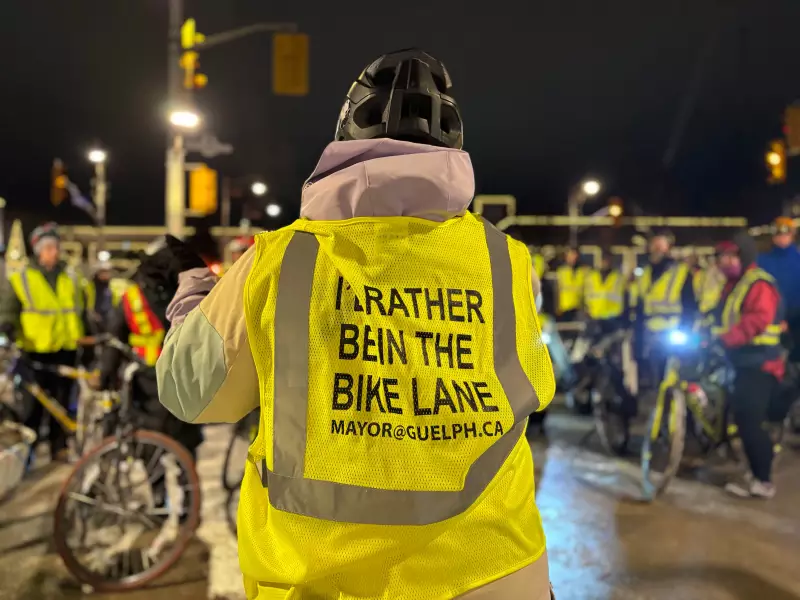
Dozens of cycling advocates took to the streets of downtown Guelph on a cold Monday evening, December 15, 2025, to voice their opposition to a municipal bylaw that mandates the seasonal closure of designated bike lanes. The protest ride highlighted a growing tension between year-round active transportation users and current city infrastructure policies.
A Chilly Demonstration for Year-Round Access
The protest was organized in direct response to a local regulation that requires certain bike lanes to be shut down for approximately five months of the year, typically during the winter season. Participants, equipped with lights and warm gear, rode through the city's core to demonstrate their need for safe, dedicated cycling infrastructure regardless of the season. The event underscored the commitment of the cycling community, even as temperatures dropped.
The Heart of the Controversy
The core issue, as explained by advocates, is a bylaw that effectively removes safe cycling corridors for a significant portion of the year. This five-month closure period is seen by protesters as a barrier to sustainable transportation and a disincentive for those who rely on bicycles for daily commuting, even in colder weather. The protest aimed to send a clear message to city officials about the demand for equitable, year-round active transportation networks.

While the specific locations of the lanes subject to closure were a focal point, the broader protest called for a policy review. Advocates argue that many residents continue to cycle for transportation, work, and leisure throughout the winter months, and the removal of protected lanes forces them into mixed traffic, creating potential safety hazards for both cyclists and motorists.
Looking Forward: Calls for Policy Change
The demonstration in Guelph is part of a larger national conversation about winter city design and complete streets. Protesters and cycling groups are urging the city council to reconsider the seasonal closure policy and explore alternative winter maintenance solutions that would allow bike lanes to remain operational. The event has successfully drawn public and media attention to the debate over how cities can better support non-vehicular transportation year-round.
The outcome of this protest remains to be seen, but it has undoubtedly placed the issue of seasonal bike lane accessibility firmly on Guelph's municipal agenda. The cycling community's show of force on a December night makes a compelling case for re-evaluating how the city serves all its residents, in every season.