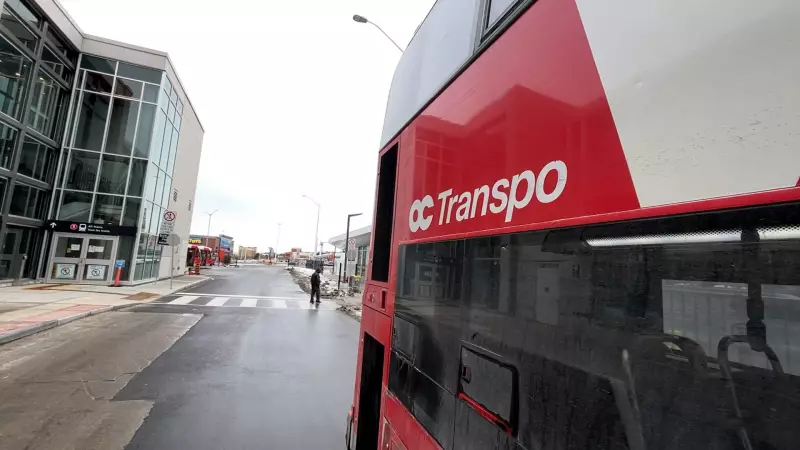
A community group in Ottawa has put forward an ambitious new vision for the city's public transit system, calling for the introduction of free fares during off-peak hours on OC Transpo. The proposal, rolled out in January 2026, aims to tackle issues of affordability, increase ridership, and reduce traffic congestion during quieter travel times.
The Vision for Accessible Transit
The core of the proposal focuses on eliminating the cost barrier for residents traveling outside of the busiest morning and evening rush periods. While specific hours for "off-peak" service were not detailed in the initial announcement, the concept generally applies to mid-day, evening, and weekend travel. Advocates argue that this model would make transit a more viable option for a wider range of trips, including for seniors, part-time workers, and those making discretionary journeys to local businesses or appointments.
The group believes that free off-peak service could serve as a powerful incentive to shift habits, encouraging more people to leave their cars at home for certain trips. This aligns with broader municipal goals of reducing greenhouse gas emissions and easing the strain on Ottawa's road network. The proposal emerges as cities globally experiment with various forms of fare-free transit to achieve social and environmental objectives.

Financial and Operational Considerations
A significant hurdle for any such plan is funding. The community group's vision would require a new financial model to offset the lost revenue from fares during the designated hours. Potential solutions could involve reallocating existing transportation budgets, seeking new provincial or federal funding partnerships tied to climate initiatives, or implementing a modest levy or tax specifically dedicated to sustaining the service.
Operationally, OC Transpo would need to ensure service frequency and reliability are maintained or even enhanced to handle a potential surge in ridership. The proposal also raises questions about integration with the O-Train light rail system and whether the free fare would apply across the entire network uniformly. Proponents suggest that the long-term benefits of a more robust and utilized transit system would outweigh the initial costs and complexities.
Community Impact and Next Steps
The release of this vision is intended to spark public debate and put the idea on the agenda of city councillors and transit commissioners. For many residents, especially those on fixed or low incomes, the cost of transit remains a significant monthly expense. A move to free off-peak travel could provide tangible financial relief and improve access to essential services, community centers, and employment hubs outside traditional commute times.
As Ottawa continues to grow and evolve its transit infrastructure post-light rail expansion, innovative ideas like this one will likely be part of the conversation about the system's future. The community group's proposal sets a bold marker for what is possible, challenging local leaders to think creatively about making public transportation more accessible and attractive for all residents. The coming months will reveal whether this vision gains traction at City Hall.