First Nations Leaders Demand Action on Highway Safety After Fatal Crashes in Northern Ontario
First Nations leaders across northern Ontario are issuing a powerful call for immediate improvements to highway safety, following a distressing series of fatal crashes that have claimed lives on the region's roads. This urgent plea comes as communities grapple with the devastating impacts of these incidents, emphasizing the critical need for enhanced safety protocols and infrastructure upgrades.
Escalating Concerns Over Dangerous Road Conditions
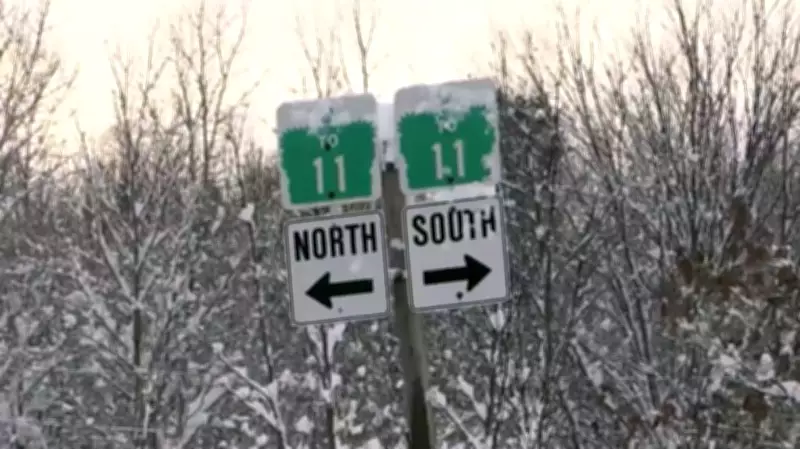
The leaders have pointed to a combination of factors contributing to the hazardous driving conditions, particularly during the winter months. Heavy snowfall, icy surfaces, and limited visibility are cited as primary challenges, exacerbated by what they describe as inadequate maintenance and insufficient emergency response capabilities in remote areas. Many of these highways, such as Highway 11, serve as vital lifelines for isolated communities, making their safety a matter of paramount importance.
Recent incidents have underscored the severity of the situation, with multiple fatalities reported in crashes that often involve treacherous weather. The leaders argue that these tragedies are not merely accidents but are indicative of systemic failures in road management and safety planning. They stress that proactive measures, rather than reactive responses, are essential to prevent further loss of life.

Calls for Comprehensive Safety Measures
In response to the crisis, First Nations representatives are advocating for a multi-faceted approach to highway safety. Key demands include:
- Increased winter maintenance, such as more frequent plowing and sanding operations to combat ice and snow buildup.
- Enhanced signage and lighting along high-risk stretches of road to improve driver awareness and reduce accidents.
- Investment in infrastructure upgrades, including better road surfaces and guardrails in areas prone to collisions.
- Improved emergency services, with faster response times and better-equipped teams to handle crashes in remote locations.
- Community engagement programs to educate drivers on safe practices during extreme weather conditions.
These leaders emphasize that collaboration with provincial and federal authorities is crucial to implementing these changes effectively. They note that many northern Ontario highways are under provincial jurisdiction, requiring coordinated efforts to address the unique challenges posed by the region's geography and climate.
Broader Implications for Regional Safety and Connectivity
The push for highway safety improvements extends beyond immediate crash prevention. First Nations communities rely heavily on these roads for access to essential services, including healthcare, education, and economic opportunities. Unsafe conditions not only risk lives but also hinder social and economic development, isolating residents and limiting their ability to thrive.
Moreover, the leaders highlight that this issue is part of a larger pattern of neglect in infrastructure funding for northern and Indigenous communities. They argue that equitable investment in transportation networks is a matter of justice, ensuring that all Canadians, regardless of location, have safe and reliable travel options. The recent crashes have galvanized support for this cause, with many calling for sustained advocacy until tangible changes are realized.
As winter continues to pose threats, the urgency of these calls cannot be overstated. First Nations leaders are determined to keep this issue in the public eye, urging policymakers to prioritize highway safety as a critical component of community well-being in northern Ontario.