European Union's Entry/Exit System Now Fully Active, Impacting Canadian Travelers
The European Union's long-anticipated Entry/Exit System (EES) has officially reached full operational status across 29 countries as of April 10, 2026. This new border control mechanism, which began a phased rollout in October 2025, is designed to enhance security and streamline entry procedures for non-EU nationals, including Canadians, traveling to the Schengen Area.
What the EES Entails for Travelers
The EES applies to individuals from outside the European Union who are visiting for short stays of up to 90 days within any 180-day period in one or more countries within the Schengen Area. This border-free zone encompasses most EU member states, with exceptions such as Ireland and Cyprus, and also includes Iceland, Liechtenstein, Norway, and Switzerland. Notably, the United Kingdom is not part of the Schengen Area and operates its own Electronic Travel Authorization (ETA) system.
Key changes include the replacement of manual passport stamping with biometric data collection. At points of entry, travelers must now submit fingerprints and facial images, which are stored for three years. Self-service kiosks are being implemented at borders to facilitate this process, allowing passengers to provide their information before proceeding to a border officer for additional checks, such as verifying accommodation details and return tickets.

Operational Details and Exemptions
The system is free to use and does not require pre-registration. On subsequent trips to the Schengen Area, visitors will not need to resubmit their biometrics; instead, passport control officers will verify previously recorded fingerprints and photos. Children under the age of 12 are exempt from providing fingerprints but must still undergo facial scanning.
According to the European Union, the EES aims to improve efficiency by identifying individuals who overstay their visas or use fraudulent passports, potentially reducing wait times by automating manual checks. However, the transition has not been without challenges.
Reports of Increased Delays and Security Findings
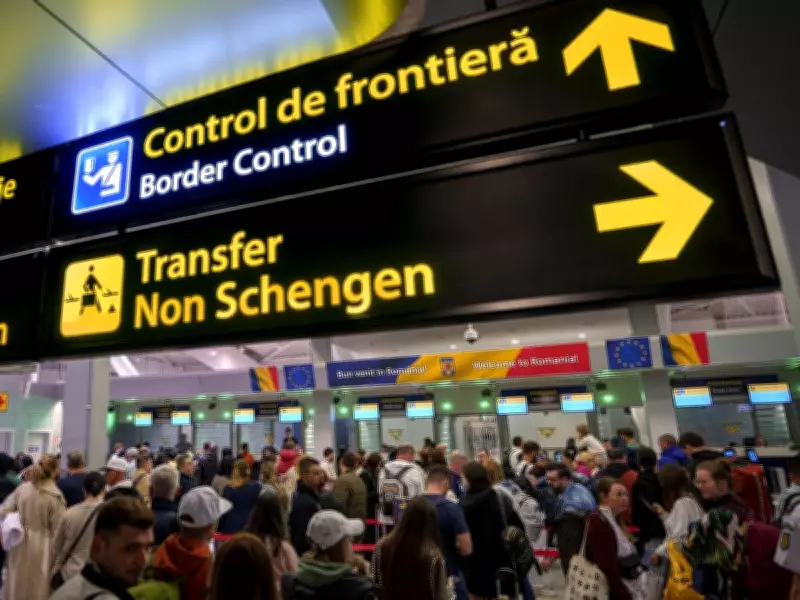
Since the implementation of the EES, travelers have experienced significant delays at border crossings. The Airports Council International (ACI), representing over 600 airports, reported that border control processing times have increased by up to 70 percent at locations where EES checks are in place. During peak periods, wait times have extended to as long as three hours.
Additionally, the European Commission has noted that thousands of individuals have been denied entry to the Schengen Area due to issues such as expired or fraudulent documents. Nearly 700 people have been identified as potential security threats since the system's phased introduction.
Future Implications for Travel Planning
Previously, border authorities had the flexibility to suspend EES procedures during high-traffic times, but this option is no longer permitted as of the full rollout. Consequently, travelers should anticipate longer wait times at European airports in the coming months as the system becomes fully integrated.
This development underscores the importance of planning ahead for trips to Europe, as the new biometric requirements and associated delays may affect travel schedules. The EES represents a significant shift in border management, balancing enhanced security measures with the need for efficient passenger processing.