Calgary's Pedestrian Safety Crisis Demands More Than Just Cautionary Advice
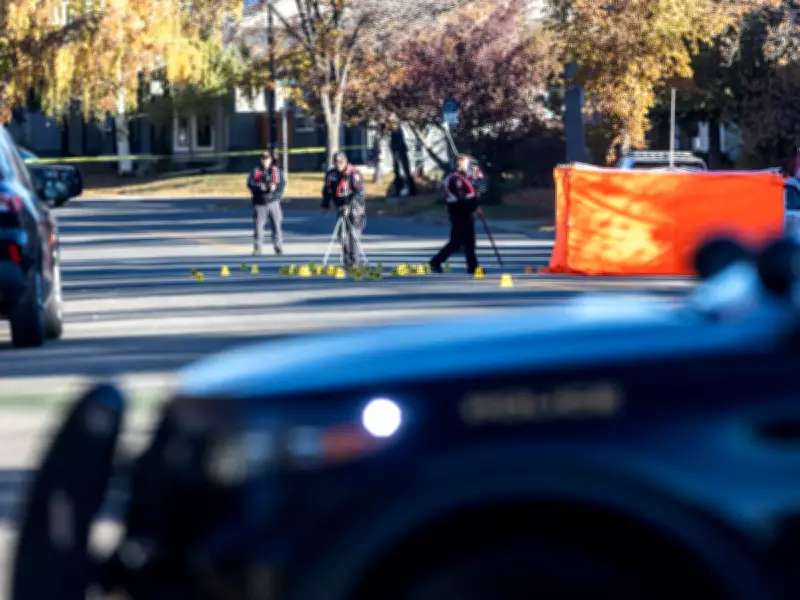
Calgary's streets have become increasingly perilous for pedestrians, with fatalities reaching alarming levels early in 2026. This troubling trend follows a devastating 2025 that saw an 11-year high for fatal pedestrian crashes and a two-decade peak for deadly road collisions overall. Despite repeated safety campaigns urging caution, the situation continues to deteriorate, revealing fundamental flaws in current approaches to road safety.
The Limitations of Safety Advice
Calgary police have consistently advised all road users to exercise caution, emphasizing safe choices like slowing down, staying sober, and limiting distractions. While well-intentioned, this advice has proven increasingly difficult for pedestrians to implement effectively. Last year's statistics paint a grim picture: pedestrians, motorcyclists, and cyclists accounted for 61% of Calgary's fatal collisions, highlighting the disproportionate vulnerability of non-vehicle road users.
The reality is that safety tips often become impossible to follow under actual road conditions. When pedestrians have legally entered marked crosswalks with the right of way, they cannot reasonably maintain constant eye contact with every potential threat, particularly when dangers approach from behind or from elevated vehicles. This problem becomes especially acute with the growing prevalence of lifted trucks, where drivers may be completely invisible to below-average-height adults and children.

Tragic Incidents Reveal Systemic Problems
Recent tragedies underscore the inadequacy of current safety measures. One particularly heartbreaking case involved a driver striking and killing a toddler in a stroller being pushed by parents through a marked crosswalk. While full investigation details remain pending, preliminary reports indicate the turning truck involved had been lifted above standard height, potentially obscuring the driver's visibility of the crossing family.
These incidents reveal a disturbing pattern: by emphasizing that pedestrians should only cross when they can make eye contact with drivers, we've inadvertently created conditions where those in large vehicles or driving distracted face reduced accountability. This wasn't the intended message, but it has become the practical effect, placing unreasonable burdens on pedestrians while offering loopholes to negligent drivers.
Beyond Individual Responsibility: Systemic Solutions Needed
While personal vigilance remains important, experts argue that true safety improvements require systemic changes to Calgary's road infrastructure and policies. Street designers can implement modifications that reduce the cognitive load on all road users, creating environments that minimize error possibilities and mitigate consequences when mistakes occur.
One proposed reform gaining traction is the elimination of right turns on red lights. This common practice creates dangerous situations where drivers, hyper-focused on watching for gaps in oncoming traffic from the left, frequently neglect to check for pedestrians legally crossing from the right—exactly where their vehicles will turn. Removing this option could significantly reduce conflict points at intersections.
Other potential improvements include:
- Enhanced pedestrian crossing designs with better visibility
- Stricter regulations on vehicle modifications affecting visibility
- Traffic calming measures in high-pedestrian areas
- Improved lighting and signage at crosswalks
The fundamental truth remains unchanged: in any collision between vehicle and pedestrian, the pedestrian will never emerge victorious. As Calgary confronts this growing safety crisis, the solution must extend beyond friendly advice to encompass meaningful infrastructure changes and policy reforms that genuinely protect vulnerable road users.