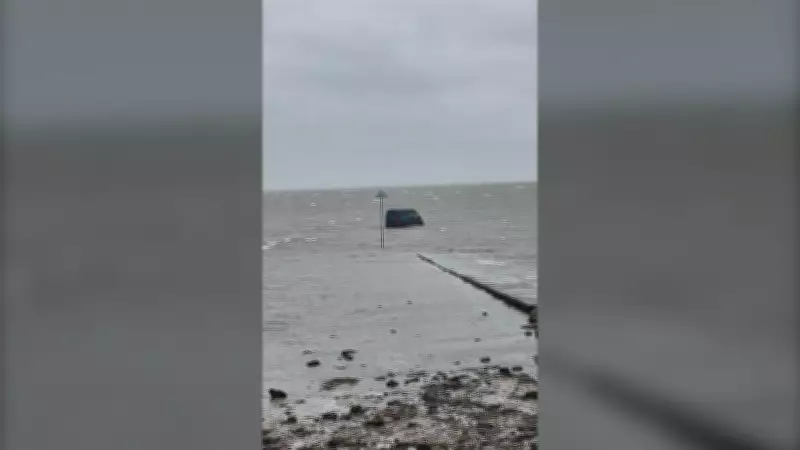
Amazon Delivery Van Stranded on Dangerous Mudflats Following GPS Misguidance
In a striking incident that underscores the pitfalls of modern navigation technology, an Amazon delivery van became hopelessly stuck on hazardous mudflats after its driver followed GPS directions toward Foulness Island. The event, which occurred recently, serves as a cautionary tale about the limitations of automated routing systems in unfamiliar or environmentally sensitive terrains.
The Perilous Journey onto Unstable Ground
According to reports, the driver was adhering to the prescribed GPS route when the vehicle ventured onto the mudflats, areas known for their soft, unstable, and potentially dangerous conditions. These tidal flats, characterized by deep mud and shifting sediments, are notoriously difficult to traverse and pose significant risks to both vehicles and individuals. The van quickly became immobilized, requiring specialized recovery efforts to extract it from the mire.
This mishap highlights a growing concern: the blind reliance on digital navigation tools without considering local knowledge or environmental factors. While GPS technology has revolutionized logistics and personal travel, incidents like this reveal its vulnerabilities, particularly in remote coastal or rural settings where road conditions may not be accurately mapped or updated.

Implications for Delivery Services and Navigation Safety
The stranding of the Amazon van raises important questions about the protocols and training for delivery drivers operating in complex landscapes. Companies like Amazon, which rely heavily on efficient routing to maintain their delivery promises, may need to reassess how they integrate real-time hazard data and driver awareness into their operations. The incident also sparks a broader discussion about the responsibility of tech developers to improve mapping accuracy for off-road or less-traveled paths.
Experts note that similar GPS-related misadventures have occurred globally, from drivers ending up on hiking trails to vehicles attempting to cross rivers or cliffs due to faulty directions. As navigation apps become more sophisticated, incorporating user reports and live updates, there is hope for reducing such errors. However, this case emphasizes that human judgment remains crucial, especially when technology suggests routes that seem implausible or unsafe.
Environmental and Logistical Consequences
Beyond the immediate inconvenience and potential damage to the vehicle, getting stuck on mudflats can have environmental repercussions. Disturbing these delicate ecosystems can harm local wildlife and vegetation, and recovery operations might inadvertently cause further disruption. For Amazon, such incidents can lead to delayed deliveries, increased costs, and reputational damage, underscoring the need for proactive measures to prevent recurrences.
In response to this event, it is likely that Amazon and other logistics firms will review their routing algorithms and driver training programs. Enhancing systems to flag potentially hazardous areas or providing drivers with alternative navigation tools could mitigate future risks. As technology continues to evolve, balancing efficiency with safety and environmental stewardship will be paramount for the delivery industry.
This stranded van serves as a vivid reminder that while GPS can guide us, it cannot replace common sense and situational awareness. As we navigate an increasingly digital world, learning from such missteps will be essential to ensuring that technology serves as a reliable aid rather than a source of peril.