Alberta's Highway Speed Limit Increase Draws Criticism Amid Safety Statistics
The Alberta government's announcement to increase speed limits on certain divided highways to 120 km/h has ignited a heated debate about road safety versus political maneuvering. This controversial decision comes at a time when Calgary has recorded 38 fatal collisions in 2025, marking a troubling 20-year high according to traffic statisticians.
Statistical Reality Versus Political Decision-Making
Transport Minister Devin Dreeshen has framed the elimination of photo radar as removing a "cash cow" from provincial roads, suggesting that drivers should simply avoid speeding to prevent fines. However, safety advocates argue this perspective dangerously ignores the established correlation between higher speeds and increased collision severity.
The province's approach appears to prioritize political considerations over empirical evidence. As one commentator noted, these changes represent "an exquisite example of pandering to the passions and prejudices of your base," particularly appealing to rural conservative voters who frequently oppose government intervention in their daily lives.

Calgary's Alarming Traffic Safety Record
Calgary's traffic statistics paint a concerning picture that contradicts the rationale for increasing speed limits:
- 38 fatal collisions recorded in 2025 alone
- This represents the highest number in two decades
- Particular danger zones include Sarcee Trail and Stoney Trail
- Police report increasing encounters with vehicles traveling on the wrong side of the road
These numbers become even more significant when considering that Highway 63 between Edmonton and Fort McMurray is already acknowledged as Alberta's most dangerous roadway, frequently traveled by oversized vehicles and high-powered trucks.
The Reality of Alberta Highway Driving
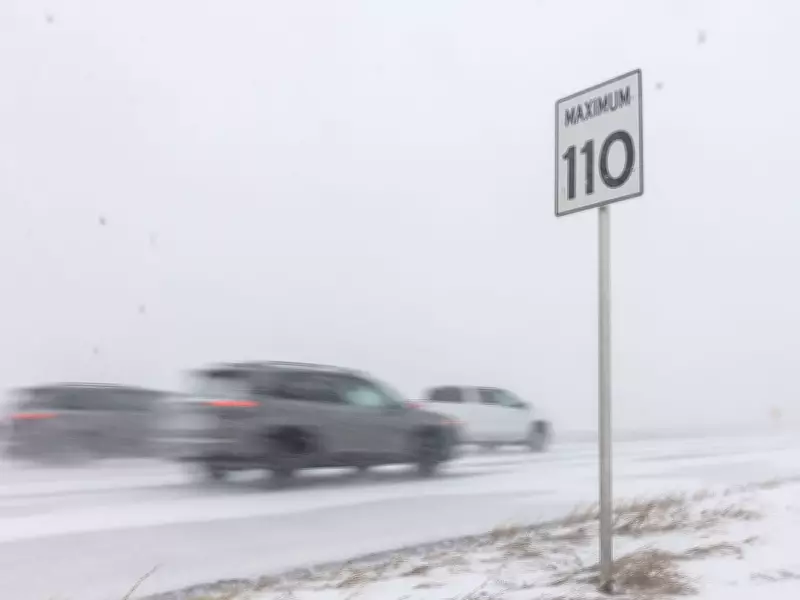
Regular commuters on major Alberta routes like Highway 2 or the Trans-Canada Highway to Banff understand the current driving dynamics all too well. Even at the existing 110 km/h limit, drivers frequently experience:
- Semi-trailers passing vehicles traveling at the posted limit
- Aggressive horn-blowing when drivers maintain speed in passing lanes
- Widespread cruising at 120 km/h despite legal restrictions
- Vehicles regularly exceeding 130 km/h on open stretches
This established pattern of speeding raises serious questions about what will occur when the legal limit increases to 120 km/h. Will drivers simply adjust their behavior to maintain the same relative speed differentials, potentially pushing actual travel speeds even higher?
International Comparisons and Cultural Factors
Proponents of higher speed limits often point to Germany's Autobahn system as evidence that high-speed highways can operate safely. However, this comparison overlooks crucial cultural and regulatory differences:
- German drivers undergo more rigorous testing and licensing requirements
- German driving culture emphasizes strict rule adherence and courtesy
- Infrastructure design and maintenance standards differ significantly
- Enforcement approaches and public attitudes toward traffic laws vary substantially
These factors create a driving environment that may not translate effectively to Alberta's roads and driving culture.
The Broader Policy Context
The speed limit increase forms part of a broader provincial approach that includes eliminating speed cameras and photo radar while simultaneously installing phone holders in vehicles. This combination of measures creates what some safety experts describe as "a recipe for disaster or death" by simultaneously enabling and encouraging higher-speed driving while removing deterrents and enforcement mechanisms.
As Alberta moves forward with these changes, the fundamental question remains whether political considerations should outweigh statistical evidence and safety expertise. With Calgary's collision statistics reaching alarming levels and dangerous driving behaviors already prevalent on provincial highways, many Albertans wonder if their government is prioritizing the right concerns when it comes to road safety policy.