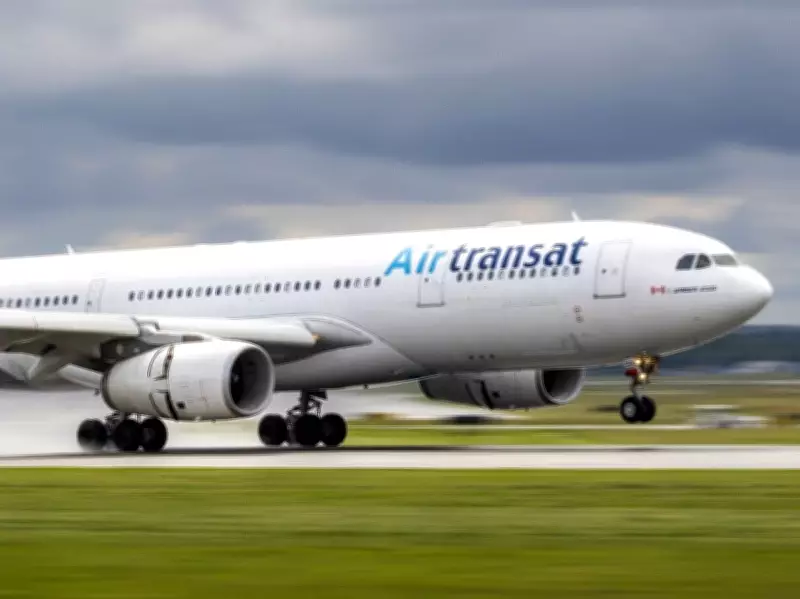
Air Transat, the Montreal-based airline, has announced significant service reductions, cutting 6% of its planned flights between May and October due to escalating fuel prices. This decision impacts routes to Europe and the Caribbean, extending beyond the peak summer travel season and reflecting broader challenges in the aviation sector.
Service Cuts and Suspensions
The airline confirmed that the capacity reduction will affect the busy summer period, with fewer flights available for travelers. Additionally, Air Transat is extending its suspension of flights to Cuba until October, further limiting options for passengers seeking sun destinations.
In a news release, Transat CEO Annick Guerard addressed the situation, stating, "The recent volatility in aviation fuel prices reflects an exceptional environment affecting the entire sector. We are closely monitoring the situation, as cost pressures continue to be felt across the industry." She emphasized that demand for flights remains strong but noted that additional measures may be implemented depending on how external factors evolve.

Industry-Wide Flight Reductions
Air Transat's move is part of a larger trend among airlines grappling with rising operational costs. Recent announcements include:
- WestJet cutting flight capacity by about 1% in April, 3% in May, and nearly 6% in June.
- Air Canada suspending six routes, including flights from Toronto and Montreal to New York City's JFK airport from June 1 to October 25.
- Lufthansa reducing 20,000 European short-haul flights over the summer, citing unprofitable routes due to high jet fuel prices.
These reductions highlight the widespread impact of fuel price volatility on airline schedules and passenger travel plans.
Other Cost-Recouping Measures
In response to the financial strain, airlines are implementing various strategies to offset expenses. For instance:
- Air Canada, WestJet, and Sunwing Vacations have introduced fuel surcharges on bookings.
- Air Canada recently increased baggage fees from $35 to $45 for the first checked bag in basic economy class on North American and sun destination flights.
These adjustments aim to help airlines manage the economic pressures while maintaining service levels where possible.
Global Context and Fuel Price Drivers
The surge in fuel costs is partly attributed to geopolitical tensions, including the war in Iran, which began after joint U.S.-Israeli airstrikes on Tehran two months ago. This conflict has led to the closure of the Strait of Hormuz, a vital shipping route that accounts for one-fifth of the world's crude oil exports. Duelling blockades by Iran and the U.S. have effectively shut down the strait, triggering a global energy crisis and contributing to higher jet fuel prices.
As airlines raise prices and adjust schedules, Canadians are reportedly choosing different travel destinations or altering their plans to cope with the increased costs and reduced availability.