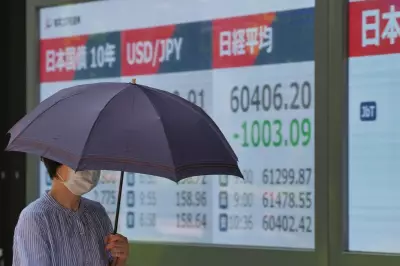
U.S. stocks retreated further from their recent record highs on Wednesday, as bond markets intensified pressure on equities. The S&P 500 and Nasdaq Composite both posted losses, with the Dow Jones Industrial Average also declining. The move came as the yield on the 10-year Treasury note climbed to its highest level in weeks, fueled by expectations that the Federal Reserve will maintain higher interest rates for longer to combat persistent inflation.
Bond Market Dynamics
Rising bond yields typically weigh on stock valuations by making fixed-income investments more attractive and increasing borrowing costs for companies. Investors are closely watching economic data and Fed commentary for clues on future monetary policy. The recent uptick in yields has been driven by stronger-than-expected economic reports and hawkish remarks from central bank officials.
Market Reaction
Technology stocks, which are particularly sensitive to interest rate changes, led the decline. Major tech companies like Apple, Microsoft, and Amazon saw their shares fall. Financial stocks, however, gained as higher yields can boost bank profits. Energy stocks also rose amid higher oil prices.

Investors are now focusing on upcoming corporate earnings reports and key inflation data due later this week. The Federal Reserve's preferred inflation gauge, the core PCE price index, is expected to show continued price pressures, which could influence the central bank's next policy moves.
Broader Implications
The stock market's pullback from record levels reflects growing uncertainty about the economic outlook. While the labor market remains strong and consumer spending resilient, concerns about sticky inflation and the potential for a recession persist. Some analysts warn that if bond yields continue to rise, stocks could face further headwinds.
Despite the recent declines, the S&P 500 remains up for the year, supported by optimism around artificial intelligence and corporate profitability. However, the path forward may be bumpy as markets adjust to a higher-for-longer interest rate environment.